custom cheap and best badminton racket Company: Specification, Ordering and Quality Notes
Scope of Supply and Physical Form
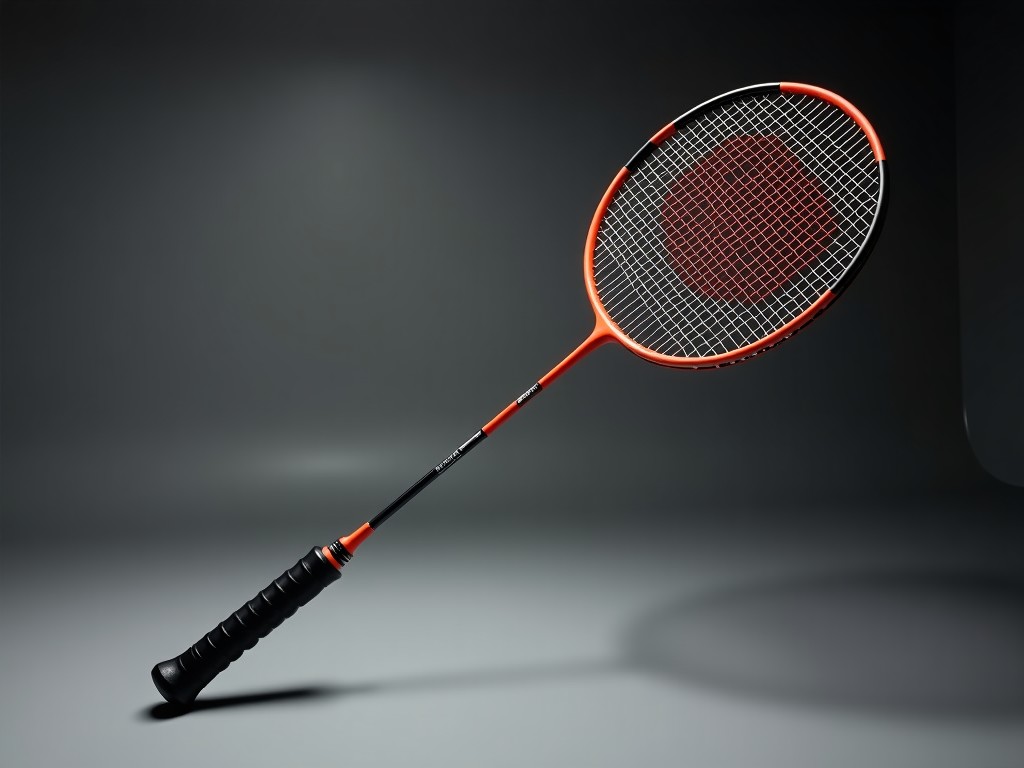
Private-label production requires a precise definition of physical components to ensure retail-ready consistency. Each standard order includes the molded carbon-fiber frame, the tapered graphite shaft, and the pre-wrapped synthetic overgrip vulcanized handle. We provide variations in head geometry—ranging from isometric to oval-shaped—to accommodate different hitting styles across club-level demographics.
The Problem Buyers Keep Paying For
Returns usually trace back to the same weak point: weight drift across production batches. When an importer orders 5,000 units and the average weight fluctuates by 4 grams between shipments, the swing weight changes significantly for the end-user player. This variance often stems from inconsistent resin-to-fiber ratios or improper curing during the molding process.
The complaint that repeats across reorders involves premature frame failure at the joint under high string tension. Lower-grade manufacturers use thin carbon layers that delaminate when the frame is pulled beyond the 24kg threshold. We mitigate this by utilizing a structural carbon wrap at the throat, which distributes stress more evenly during high-impact play.
Technical Risk Alert
A balance point variance of ±3mm is the maximum threshold for professional-grade private labeling. Exceeding this limit results in high return rates from academy-level purchasing managers.
What the Design Has to Balance
Engineering a budget-friendly racket requires a compromise between frame thickness and aerodynamic drag. A thicker beam increases stability and allows for higher tension limits, but increases air resistance, slowing the swing speed. We optimize the cross-sectional profile to maintain stiffness without adding the mass that drives up the material costs.
| Feature | Entry Level | Advanced Level |
|---|---|---|
| Carbon Modulus | Standard Graphite | High-Modulus 40T |
| Frame Stiffness | Flexible/Medium | Extra Stiff |
| Grommet Material | Basic Synthetic | Tear-Resistant |
What Actually Determines Performance
Recovery speed is dictated by the layup orientation within the shaft. By orienting fibers at 45-degree angles, the shaft returns to its neutral position faster after a flex. If the resin quality is substandard, the fibers develop micro-fractures, leading to a loss of power after only a few hours of use.
String tension capacity is not a random number but a result of the internal stress distribution. We use reinforced carbon inserts in the grommet holes to prevent the frame from collapsing under high loads. This construction allows the importer to market rackets capable of 28kg tension without risk of structural deformation.
Construction Method and Its Effect on Consistency
Our mold-molding process ensures that every frame follows the exact same geometric path. Unlike hand-wrapped methods where human error varies thickness, automated layup systems maintain a uniform distribution of material. This eliminates the "weak spots" that often cause rackets to snap during high-velocity collisions.
- Temperature-controlled curing ovens prevent internal stress buildup in the graphite.
- CNC-machined grommet holes ensure perfect string-alignment.
- Batch-specific tension testing identifies and removes outlier units before shipping.
Working as a Production Partner, Not a Catalogue Supplier
Most quality disputes start with a consistency gap between the sample and the mass-production order. We provide detailed technical data sheets for every private-label project, detailing the specific weight and balance-point tolerances for that batch. This transparency allows procurement officers to set realistic expectations for their retail networks.
For those requiring specific material grades to match their existing brand standards, review our tooling process to align your technical requirements.
Export Packaging and Handling Protection
Long-distance shipping exposes lightweight graphite to humidity and impact shocks that can cause frame warping. We utilize double-walled corrugated outer boxes with internal dividers to prevent the rackets from touching one another. Each racket is wrapped in a moisture-barrier sleeve to protect the paint finish from peeling during maritime transit.


