oem t joint badminton racket supplier - Bulk Supply and Specification Guide
The Problem Buyers Keep Paying For
| Failure Mode | Root Cause | Specification Mitigation |
|---|---|---|
| T-Joint Cracking | Inadequate resin distribution at the head-shaft junction | High-modulus carbon wrap with reinforced epoxy joints |
| Tension Drop | Structural fatigue causing frame elasticity | Multi-directional fiber layup to maintain hoop-tension |
| Delamination | Poor bonding between carbon layers and paint | Vacuum-bagged curing to eliminate air pockets |
Most quality disputes start with a consistency gap in the structural rigidity of the frame-junction. When the T-joint lacks sufficient material density, the frame fails under the repetitive stress of high-impact compression during smashes. Wholesale buyers often find that lower-cost alternatives warp at tensions above 24kg, failing within the first three months of club play.
The manufacturing process focuses on the transition zone where the carbon fibers of the shaft meet the head. Proper reinforcement ensures that the balance point remains stable even after thousands of impact cycles. For distributors prioritizing low return rates, selecting a supplier with verified structural integrity is critical.
How It Performs in Use
Frame Stiffness and Energy Transfer
The modulus index determines how much energy is returned to the shuttle versus lost through frame vibration. A 30T carbon construction reduces lateral deflection, allowing for a faster recovery speed without increasing the overall weight of the racket.
High-performance players demand a frame that resists twisting during off-center hits. If the T-joint construction is weak, the racket head rotates, leading to inaccurate shots and reduced power output. We utilize a tapered beam design to distribute this load evenly across the throat, rather than concentrating stress at a single point.
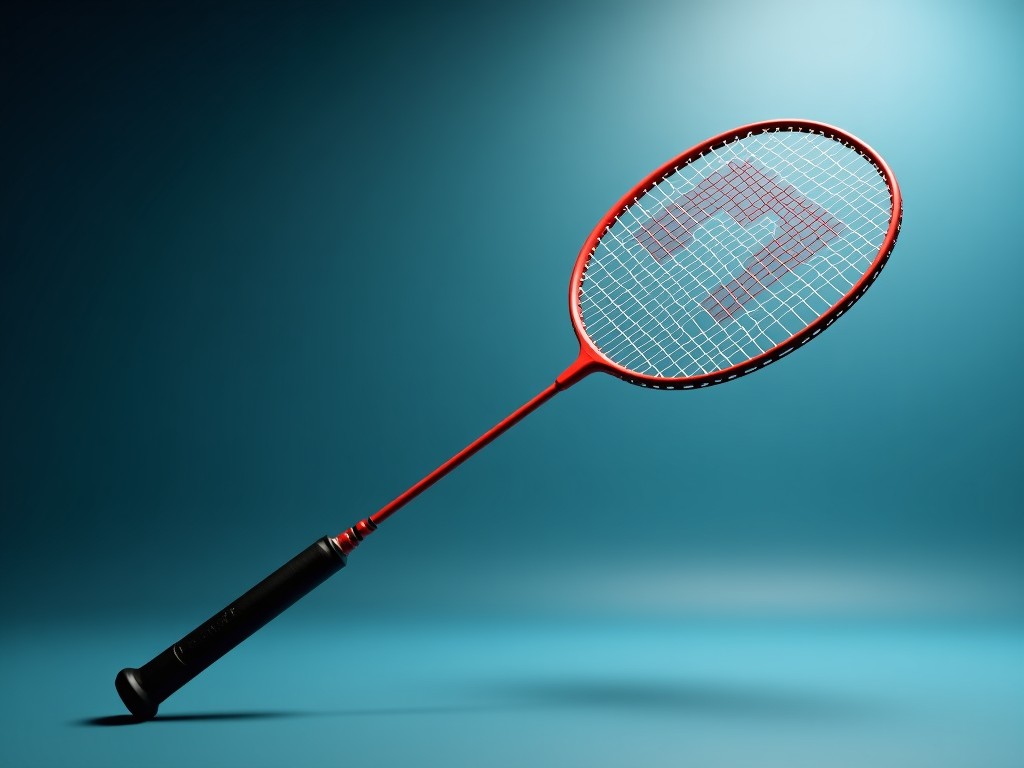
Where This Product Beats Standard Alternatives
Standard Molded Joints
- Single-layer graphite construction
- Limited tension ceiling (22kg max)
- Higher vibration after impact
Reinforced T-Joints
- Integrated carbon-modulus weave
- Stable up to 32kg tension
- Optimized vibration damping properties
Customisation Options and Their Limits
Buyers can select various carbon modulus levels based on the target market segment. Higher modulus carbon (40T+) allows for a thinner frame profile but increases material cost and makes the frame more brittle against lateral side-impacts.
Weight distribution is adjustable from head-heavy to head-light by modifying the balance weight in the handle. However, increasing the head weight increases the torque on the T-joint, requiring a thicker resin-set to prevent premature structural failure.
Inspection Items and Test Methods
Every batch undergoes rigorous testing to ensure the frame meets the stated tension tolerances. We perform static tension tests to verify that the hoop does not deform permanently when reaching the maximum rated load.
- Tension Consistency: Verifying hoop recovery after 100-cycle cycles.
- Weight De-balancing: Ensuring each racket stays within a ±2g tolerance of the specified U.
- Impact Resistance: Drop testing the T-joint to check for internal fractures.
Capacity, Tooling and Scheduling
Production cycles for custom-tooled rackets typically range from 6 to 8 weeks depending on the complexity of the carbon layup. Standard frames allow for faster turnaround due to pre-existing molds and optimized curing oven schedules.
Bulk orders exceeding 500 units qualify for tiered production scheduling, reducing the per-unit logistics cost for distributors. Request a sample to evaluate the material finish for your specific branding.


