wholesale carbon fiber graphite badminton racket supplier: What Buyers Should Check Before Ordering
Securing a secondary manufacturing source for badminton equipment requires a technical audit of material grades and structural consistency. Relying on a single factory creates supply chain vulnerabilities related to production halts or quality fluctuations. Procurement officers must focus on the specific modulus of the graphite used and the integrity of the layup process to ensure performance across large batches.
What the Design Has to Balance
| Specification | Standard Range |
|---|---|
| Weight Class (Grams) | 3U (85-89g), 4U (80-84g), 5U (75-79g) |
| String Tension Limit | 22kg to 32kg depending on frame |
| Frame Stiffness | Flexible to Medium-Extra Stiff |
| Balance Point | 285mm (Even) to 305mm (Head Heavy) |
Weight between weight and balance point determines the racket's utility for different player segments. A 5U racket offers maneuverability but increases the stress on the throat joint during high-velocity impacts. Manufacturers must demonstrate that the carbon fiber layup maintains the structural geometry of the head when the frame is subjected to high-tension strings.
Consistency in the balance point across batches is where lower-tier suppliers fail. If the resin distribution varies between production runs, the swing weight will drift, leading to inconsistent feedback for the end-user.
Material Options and Their Trade-offs
Carbon Modulus Selection
The modulus rating of the carbon fiber dictates the frame's recovery speed and durability. Using 24T carbon fiber provides a flexible frame that is more prone to permanent deformation under extreme loads. Conversely, 30T or 40T graphite allows for a thinner wall profile but requires more precise resin control to prevent delamination during the curing process.
Environmental Exposure: Sweat and humidity affects the longevity of the grip and finish. High-grade UV-resistant coatings prevent the graphite from becoming brittle over long-term storage in non-controlled retail environments.
The choice of material directly impacts the unit cost. Higher-modulus fibers reduce the overall weight without sacrificing strength, but they increase the manufacturing cycle time, which affects the total throughput of a wholesale production line.
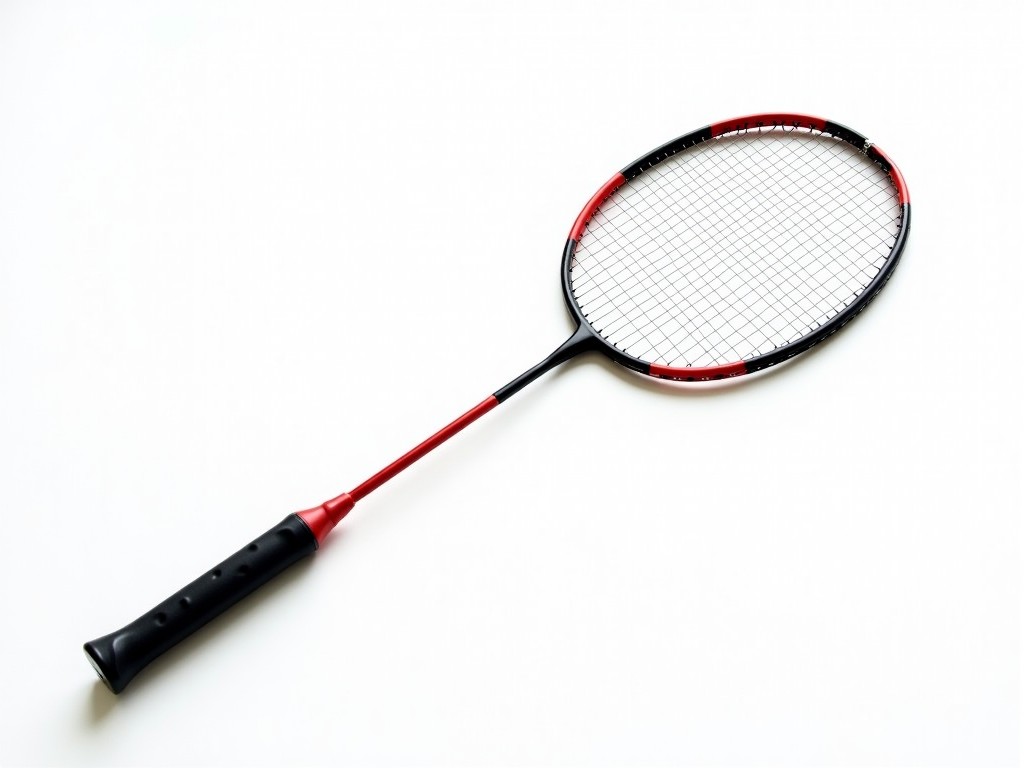
Comparing Two Standard Configurations
Power-Orient Setup
- Head-heavy balance point (300mm+)
- Stiff frame flex for maximum energy transfer
- Heavier 3U weight for momentum stability
- Targeted at singles players hitting smashes
Control-Oriented Setup
- Even to head-light balance (280mm-290mm)
- Medium flex flex for quick recovery
- Lighter 4U weight for rapid defensive play
- Targeted at doubles players and defensive specialists
How to Choose Before Requesting a Quote
Wholesale buyers should specify the maximum string tension required before asking for pricing. A frame rated for 24kg uses different internal reinforcement patterns than one rated for 30kg. Requesting technical test data for the throat joint ensures the supplier understands torque-stress requirements.
It is also necessary to discuss custom branding capabilities to ensure the paint process does not compromise the graphite graphite surface layers.
Buying Mistakes That Lead to Returns
One common error is overlooking the quality of the epoxy-resin system. If the resin is not properly cured, the racket will fail via delamination within weeks of active use. Another mistake is failing to verify the grip material durability; low-grade synthetic grips peel quickly when exposed to acidic sweat.
Buyers often focus solely on the unit price without checking the weight tolerance. A variance of +/- 3 grams across a batch makes the product unacceptable for professional club players.
How Consistency Is Held Across Batches
Batch consistency is maintained through automated layup machines and standardized tension testing protocols. A professional supplier will provide a report showing the standard deviation of balance points for each production run. This ensures that the 1,000th unit performs identically to the first approved sample.
Traceability allows the importer to isolate specific lots if a material defect is discovered. This level of oversight is what separates a generic factory-range supplier from a technical trading partner.
Review our production capabilities
Contact our technical sales team to discuss specific carbon fiber specifications and custom branding requirements. Request a technical review today.


