Buy penn beach tennis balls Exporter: Specification, Ordering and Quality Notes
Cost and durability pull in opposite directions once the buyer selects the felt-to-core ratio. High-density nylon felt offers better resistance to abrasive sand but increases the unit cost per batch compared to standard wool blends. For distributors managing high-volume imports, the choice of internal pressure stabilization determines the return rate due to pressure-loss complaints in high-humidity coastal environments.
What the Design Has to Balance
Material choice starts with the conditions the product will meet. If the ball is intended for professional tournament play, the internal pressure must be stabilized to prevent rapid de-lamination at the seams. We use a vulcanized rubber core to ensure the ball maintains its 57-59g weight range even after 10 hours of competitive play. The trade-off involves the felt thickness; a thicker felt increases the drag coefficient, which slows the ball to match the specific physics of sand-based play.
Technical Trade-off: Pressure vs. Rebound
Lower pressure chambers reduce the rebound velocity by 15-20% compared to standard tennis balls. This requires a more precise winding tension during the manufacturing process to avoid flat spots that cause seam failure during transport.Where This Product Beats Standard Alternatives
Standard tennis balls fail in beach tennis contexts because their felt is too aggressive and their rebound velocity is too high for slow-paced sand play. Our balls utilize a lower-pressure chamber to ensure the ball stays within the flight path required by professional tournament regulations. Furthermore, the felt used on standard court balls often tears when exposed to silica sand, leading to a loss of aerodynamic stability within a single match.
Size, Weight and Specification Range
| Parameter | Standard Range | Tolerance |
|---|---|---|
| Weight | 57g - 59g | +/-0.5g |
| Diameter | 65mm - 67mm | ±1mm |
| Internal Pressure | 7.5 PSI - 9.5 PSI | +/-0.5 PSI |
Option Comparison by Usage Level
Construction options diverge as soon as weight matters. We categorize our production tiers based on the intended environment and end-user:
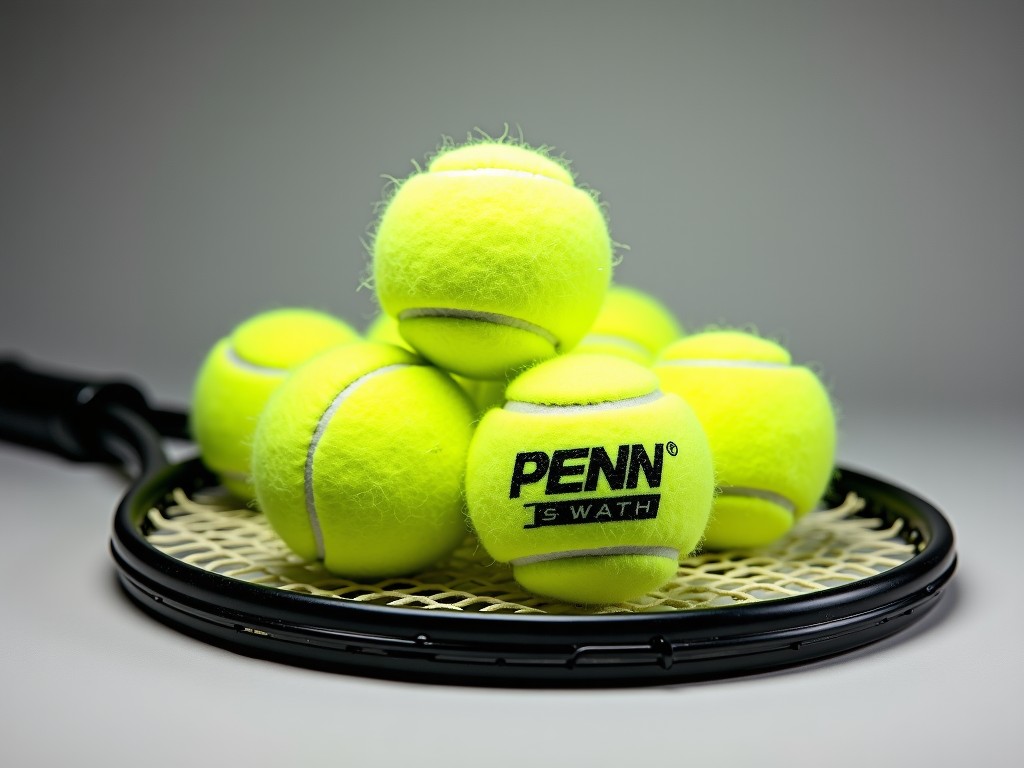
- Tournament Grade: Features high-density nylon felt and a vulcanized core designed for consistent rebound over 48+ hours.
- Optimal for high-exposure coastal events.
- Precision-wound seams to prevent peeling.
- Club/Academy Tier: Uses a wool-nylon blend for better cost-efficiency in bulk orders.
- Lower unit price for high-volume procurement.
- Standard pressure retention for indoor play.
- Recreational/Retail: Minimalist felt construction for durability in low-impact play.
Requirements by Buyer Segment
Distributors need batch-to-batch consistency to avoid returns from de-branded clubs. We provide Quality Control and Batch Consistency
Weight drift is the primary cause of warranty claims in wholesale orders. We monitor the variance across every 1,000 units to ensure the deviation remains under +/-0.5g. This prevents the scenario where some balls in a single canister perform differently than others, a common complaint in beach tennis tournament organizers.Inspection Items and Test Methods
| Test Method | Metric | Acceptance Criteria |
|---|---|---|
| Rebound Height Test | Drop from 2.0m | 135mm - 145mm |
| Abrasion Resistance | Martindale Cycle | Under 5% mass loss |
| Seam Integrity | Pressure Burst | No visible leak at 15 PSI |
Ready to discuss custom batch requirements?
Contact our technical team for a project discussion

