Specifying quicksand beach tennis balls for sale for Wholesale and OEM Orders
Size, Weight and Specification Range
| Parameter | Standard Specification | Tolerance Grade |
|---|---|---|
| Diameter | 65mm - 68mm | ±0.5mm |
| Weight | 57g - 59g | ±1g |
| Internal Pressure | 8psi - 10psi | ±0.5psi |
| Felt Material | Nylon/Polyester Blend | Density-dependent |
Moving from sample orders to container loads changes the focus from aesthetic appeal to batch-level performance consistency. Beach tennis requires a lower internal pressure than standard tennis balls to compensate for the energy-absorbing nature of sand. If the pressure fluctuates by more than 0.5psi across a production run, the rebound height becomes unpredictable, leading to immediate de-selection by tournament-level buyers.
Technical Note: High-density felt constructions are mandatory for sand environments to mitigate rapid abrasion. Standard felt tends to ball up within 3 hours of heavy play on abrasive sand surfaces compared to professional-grade variants.
Comparing Two Standard Configurations
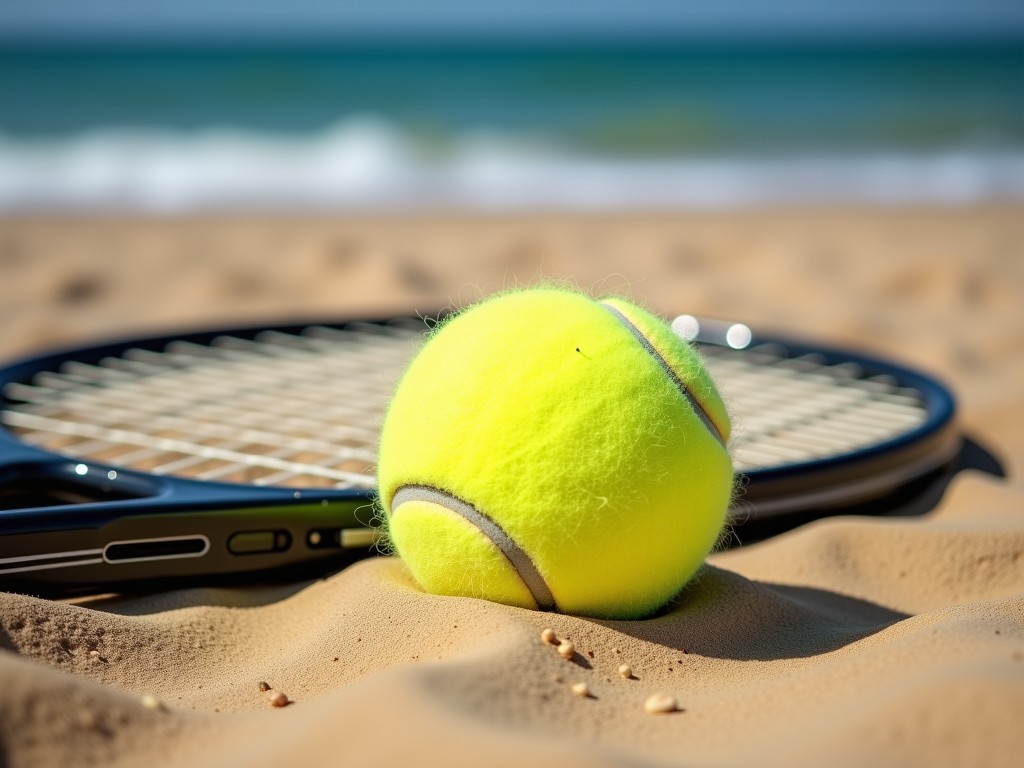
Competition Grade
Optimized for tournament play where flight speed is critical. Features a thinner-nap felt to maintain aerodynamic consistency in high-wind conditions.
- 10psi internal pressure
- Low-weight synthetic core
- High-viscosity seams
Training/Club Grade
Designed for academy use where durability is the primary cost driver. Uses thicker felt to withstand repeated repeated sand contact without structural failure.
- 8psi internal pressure
- Reinforced rubberized core
- Abrasion-resistant felt
Customisation Options and Their Limits
When a brand extends an existing range, customisation is often limited by the physical properties of the ball core. While color-matching the felt is standard, deep-dyeing synthetic fibers can affect the weight-balance if not cured correctly. We recommend heat-transfer printing for logo placement to ensure the graphic does not peel off under the high UV exposure typical of coastal beach environments.
Custom de-pressing is a service available for OEM buyers, but it requires a specific pressurized-chamber process to ensure uniform spherical shape. Manual de-pressurization often results in slight de-formations that only only after temperature drops during winter-season storage.
Usage Scenarios and Buyer Segments
On a club programme that reorders twice a season, the priority is the cost-per-hour metric. Procurement officers for large beach resorts prioritize balls that maintain their bounce after at least 20 cycles of play. Conversely, retail-focused distributors focus on the packaging compliance and high-visibility neon colors that stand out on shelf-level retail displays.
- Tournament Organizers: Require high-volume consistency and standardized de-pressurized levels.
- Private-Label Brands: Focus on bespoke aesthetics and UV-durability claims.
- Sports Academies: Demand training-grade gear with high-friction resistance.
Quality Control and Batch Consistency
Batch consistency is maintained through automated rebound testing machines. Each sample from a production run is dropped from a standardized 2-meter height to ensure the rebound height falls within the 130cm-140cm range. Variance in this metric is the most common cause for low reorder rates among professional distributors.
Seam integrity is tested via tensile-strength analysis. Because beach tennis involves high-impact strikes on hard rackets, the bond between the felt and the core must withstand specific Newton thresholds to ensure the ball does not delaminate during the first 48 hours of competitive use.
Capacity, Tooling and Scheduling
Tooling amortisation for custom colors or specific core densities requires an initial injection mold fee. For orders exceeding 5,000 units, this tooling cost is typically absorbed across the first shipment. Production lead times for standard specifications are usually 30-45 days, whereas custom felt blends require an additional 14 days for material sourcing and curing.
Stock Availability and Reorder Planning
To avoid shipping delays during peak summer seasons, we recommend a rolling forecast based on quarterly tournament demand. We maintain a buffer stock of standard neon yellow and optic white to facilitate rapid reorders for established distributor partners. For OEM-specific launches, scheduling must account for the sea freight window to ensure inventory is present prior to the retail launch date.
Review technical specifications and request wholesale pricing


