china power padel black rackets manufacturer: Specification, Ordering and Quality Notes
Deflection under load governs the structural integrity of the frame during high-velocity impacts. Higher carbon-fiber weaves increase frame stiffness but raise material costs compared to fiberglass alternatives. Procurement teams select the 12K carbon layup to balance power return with retail price points.
Consistency depends on the density of the EVA foam core across the face surface. A denser core provides a more consistent sweet spot and resists permanent deformation but reduces the comfort for recreational players. The choice of core grade must align with the target demographic's playstyle and budget constraints.
Scope of Supply and Physical Form
The manufacturing process produces three primary geometric configurations—round, diamond, and tear—each influencing the weight distribution and aerodynamic profile. Each racket utilizes a specific mold to ensure the balance point remains within ± 5mm across production batches.
| Configuration | Weight Range (g) | Balance Point |
|---|---|---|
| Round (Control) | 350 - 360g | Low to Medium |
| Tear (Hybrid) | 360 - 375g | Medium |
| Diamond (Power) | 370 - 385g | High |
Design Constraints Behind the Specification
The interface between the carbon skin and the foam core determines the risk of delamination under repetitive stress. Vacuum bagging ensures even pressure distribution, preventing air pockets that lead to structural fatigue. We utilize specific resin-infusion cycles to maximize bond strength between the fiber layers.
Thermal stability during the curing process prevents frame warping. If the oven temperature exceeds the specified threshold, the EVA core loses its elasticity, resulting in inconsistent rebound coefficients. Precise thermal monitoring ensures each unit maintains its intended RA rating for stiffness.
How It Performs in Use
Sweat and humidity accelerate the degradation of the standard overgrip and surface finish. We apply UV-stabilized polymers to prevent the black pigment from fading under prolonged exposure to outdoor court conditions. This protection ensures the aesthetic integrity of the private label over high-frequency use cycles.
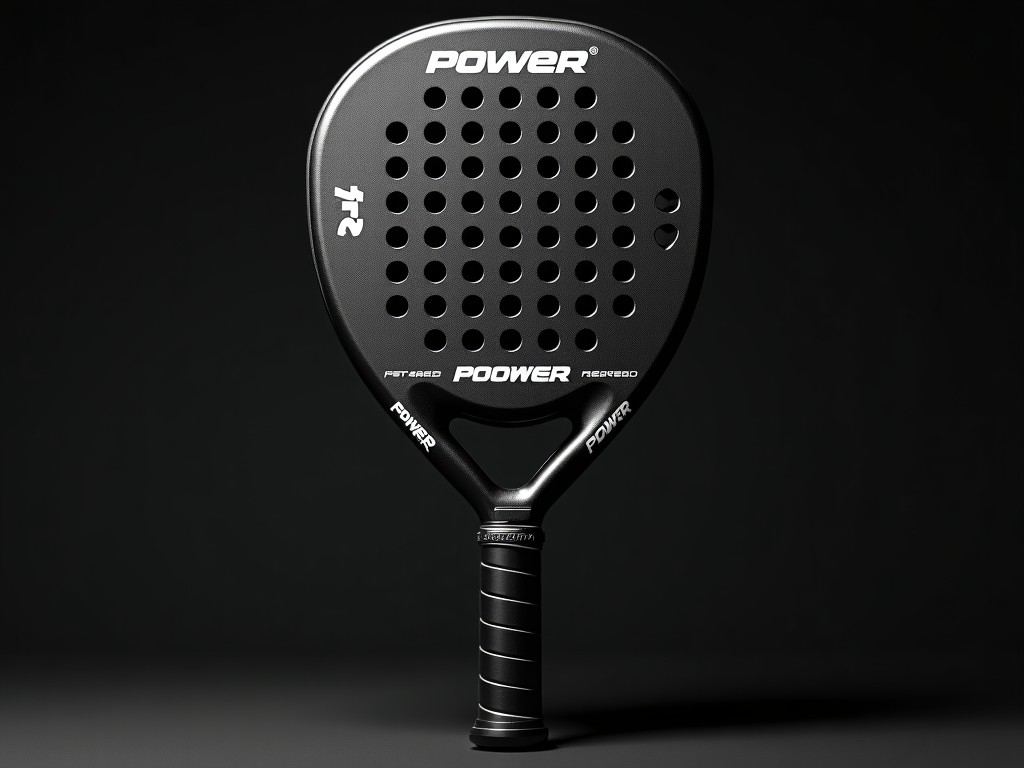
Impact resistance at the throat is the primary failure point for competitive players. Our reinforced bridge structures distribute kinetic energy, which prevents cracking during off-center smashes. Regular maintenance of the grip surface prevents moisture buildup from penetrating the internal frame fibers.
Comparing Two Standard Configurations
| Feature | Carbon Fiber Series | Fiberglass Series |
|---|---|---|
| Core Material | 12K / 3KK Carbon | Woven Fiberglass |
| Stiffness | High (Rigid) | Flexible (Soft) |
| Market Segment | Professional/Advanced | Beginner/Entry Level |
Keeping Repeat Orders Supplied
Batch traceability allows us to monitor material consistency across multi-month runs. We maintain standardized resin batches to ensure that the finish of the second order matches the approved sample exactly. This reliability is vital for brands managing seasonal inventory shifts across global retail channels.
Setup, Use and Replacement Parts
- Replace the overgrip every 10 hours of play to prevent moisture ingress.
- Clean the face with a damp cloth; avoid harsh solvents that strip the black coating.
- Store in a padded bag to prevent surface abrasion and thermal shock damage.
Discuss technical specifications for your private-label requirements.
Request a quotation review

