custom beginners padel racket manufacturer: Specification, Ordering and Quality Notes
The Problem Buyers Keep Paying For
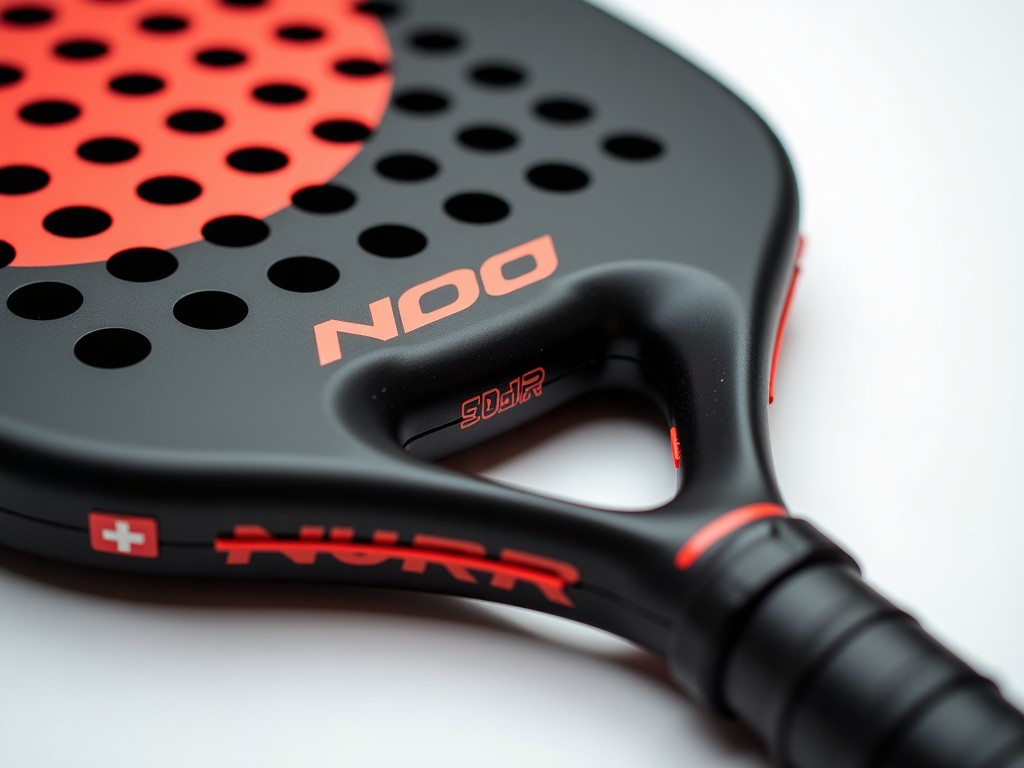
Total cost of ownership shifts once returns are counted. Beginner-level rackets often utilize low-resin composites that delaminate under the impact stress of repetitive play. When the structural bond between the face and the EVA core fails, the racket loses its rebound properties, rendering it useless for academies. We implement structural reinforcement at the throat to prevent this specific separation during high-frequency use cycles.
| Usage Condition | Typical Failure Mode | Preventive Specification |
|---|---|---|
| Daily academy training sessions | Face-to-core delamination | High-pressure vacuum compression molding |
| High humidity and sweat exposure | Surface softening and UV fading | UV-stabilized resin coating |
| Repeated impact with ground | Frame cracking at the throat | Tri-axial carbon fiber reinforcement |
Materials and Construction Trade-offs
Cheaper stock options fail at the worst point in the season. For beginner rackets, a fiberglass face often provides a more forgiving sweet spot than high-modulus carbon. The elasticity of the fiberglass compensates for the player's lack of precise timing. We balance this with a carbon frame to ensure the racket does not warp over time under temperature fluctuations.
Core Density Selection
Soft-density EVA foam (10-12 degree) increases ball comfort and reduces vibration, but it reduces the power output compared to medium-density cores (15-20 degree). Beginners typically benefit from softer cores to prevent elbow-related injuries.
Size, Weight and Specification Range
Tooling amortisation decides the final price per unit. Most beginner models require a weight between 340g and 360g to allow for maneuverability. A lower balance point shifts the weight toward the handle, which helps players generate control without excessive swing speed. We maintain a standard 38mm core thickness across the range to ensure compatibility with international padel equipment regulations.
- Weight range: 330g - 365g (standard +/- 5g)
- Balance point: Low to Medium (255cm - 265cm from handle)
- Core thickness: 38mm
- Surface material: Fiberglass, Carbon weave, or Hybrid
What Can Be Customised and What Cannot
Customization is limited by the structural requirements of the mold. While the aesthetics can be tailored to a brand identity, the internal geometry of the frame remains fixed to ensure consistent performance across a production batch.
- Customizable: Full-surface UV printing, grip texture (rough vs. smooth), core density, and branding placement.
- Fixed: Internal frame geometry, core thickness (38mm), and aerodynamic profile.
Stock Availability and Reorder Planning
Lead times depend on the complexity of the material layup. Standard orders for beginners typically require a 45-to-60 day window from sample approval. To avoid stockouts during peak seasonal demand, we recommend scheduling reorders 90 days before inventory depletion to account for international transit fluctuations.
For technical specifications or to request a quotation-review for your production line.


