custom durable padel racket supplier: Specification, Ordering and Quality Notes
On a club programme that reorders twice a season, the primary challenge is maintaining weight consistency across different production runs. If a batch fluctuates by 10 grams compared to the previous order, junior players struggle with technical adjustments, which increases the risk of repetitive strain injuries. Our manufacturing tolerances ensure the balance point remains within a ±3mm margin across all units in a shipment.
Scope of Supply and Physical Form
Junior rackets require specific geometry to accommodate smaller hand spans and lower strength. The handle length typically ranges from 165mm to 180mm to ensure a proper grip for developing players. We utilize a standard 38mm thickness to maintain compatibility with professional tournament equipment while adjusting the internal core density.
Weight Range
Units typically fall between 210g and 240g to facilitate faster swing speeds for children.
Balance Point
Head-light configurations are standard to prevent wrist fatigue during long training sessions.
Core Material
Soft EVA or FOAM cores provide the necessary vibration absorption for unconditioned joints.
Material Options and Their Trade-offs
Choosing the face material directly impacts the service life and power output of the racket. Fiberglass faces offer more flexibility for younger players but show signs of surface wear after high-impact use. Carbon fiber provides higher stiffness and structural durability but increases the unit cost for the wholesale buyer.
| Material Grade | Primary Benefit | Trade-off |
|---|---|---|
| Fiberglass | Maximum ball effect | Faster material fatigue |
| 12K Carbon Fiber | Exceptional durability | Stiffer feel for novice players |
| Hybrid Weave | Balanced performance | Higher manufacturing cost |
Segment-Specific Requirements
Academy-level rackets prioritize soft core densities to prevent elbow fatigue during high-volume drills. Competitive juniors require higher frame stiffness to handle more aggressive ball impact speeds. We adjust the resin layup thickness based on the specific skill level of the target demographic provided.
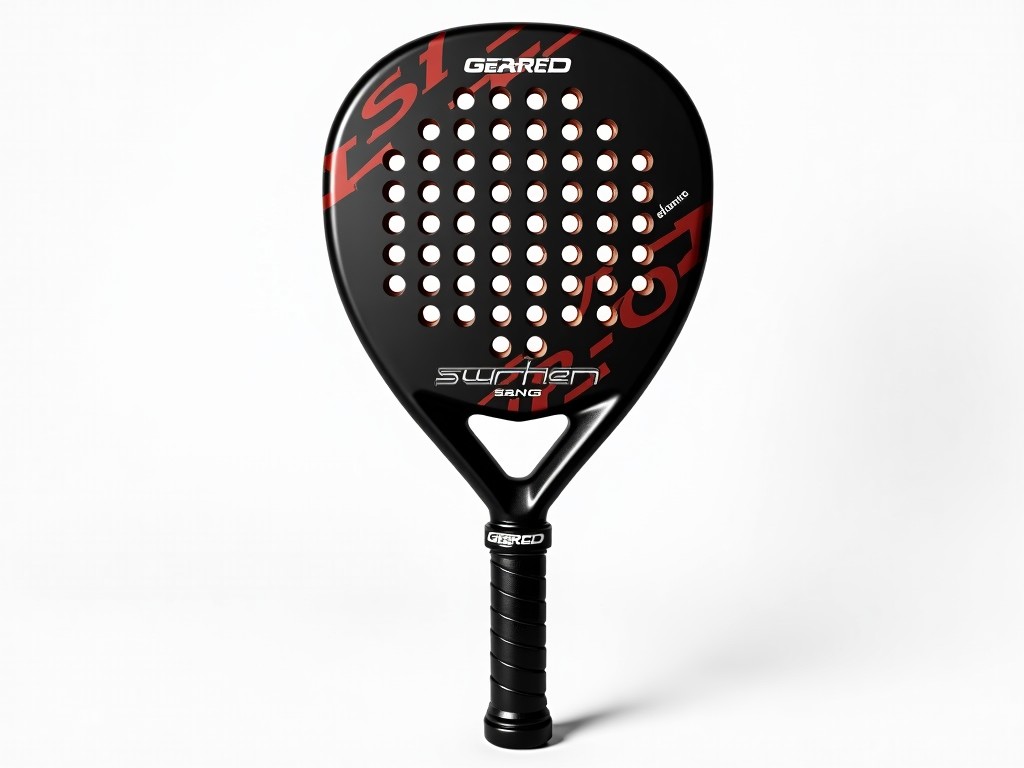
Consistency Note
For private-label brands, we ensure the UV-resistant coating is consistent across the entire batch to prevent fading in outdoor padel court environments.
What Gets Checked Before Shipment
We perform weight sampling on every unit to verify it meets the target specification. Our team also tests the structural integrity of the frame to detect delamination early before the products reach the distributor. These checks reduce the return rate for academies buying in bulk.
- Individual unit weight verification within a 2g tolerance range.
- Balance point measurement using precision digital scales.
- Core rebound testing to ensure consistent foam density.
- Grip adhesive strength testing to prevent handle peeling.
Stock Availability and Reorder Planning
Moving from sample orders to container loads changes how we manage raw material procurement. We maintain a buffer of pre-cut junior frames to shorten lead times for recurring private-label reorders.
| Order Type | MOQ | Lead Time |
|---|---|---|
| Sample Batch | 10 Units | 14-21 Days |
| Standard Bulk Order | 300 Units | 45-60 Days |
| Container Load | 2000+ Units | 70-90 Days |
Packing, Marking and Freight Configuration
Double-walled corrugated boxes prevent frame compression during transit. Each master carton is marked with the batch code to ensure full traceability from the factory to the retail shelf.
Care, Storage and Service Life
High temperatures in storage can accelerate the degradation of the EVA foam over time. We recommend storing rackets in a climate-controlled environment between 15°C and 25°C to maintain the structural integrity of the core.


