Specifying custom padel racket manufacturer for Wholesale and OEM Orders
Material choice starts with the conditions the product will meet. High-frequency play environments require a 12K carbon fiber weave to prevent frame fatigue under high-velocity impacts. Lower-level club rackets often benefit from fiberglass faces because the increased flexibility provides more power for beginners while maintaining a wider sweet-spot tolerance.
Cost and durability pull in opposite directions once core density is considered. Low-density foam increases rebound but loses structural integrity after repeated compression. Selecting a thicker EVA core (38mm) increases the lifespan but adds significant swing weight, which may affect the racket's maneuverability.
What This Product Is and Where It Fits
Custom manufactured padel rackets for the female market are engineered with specific weight distributions and balance points to accommodate different biomechanics. These rackets typically prioritize a medium-low balance to reduce wrist strain while maintaining defensive stability. Brands utilize these specifications to stock out sports academies where consistent equipment performance is required across hundreds of students.
Technical Specification Note
Women's padel rackets typically target a weight range of 340g to 360g. A balance-heavy distribution increases power but increases strain on the elbow during backhand slices.
Assumptions Buyers Should Stop Making
Procurement officers often assume that lower unit prices correlate directly with cheaper material grades. In reality, lower-cost resins often result in poor bond strength between the face material and the core, leading to delamination within the first three months of play.
Standardized molds are frequently thought to guarantee uniform weight across batches. However, variations in the foam curing process can cause a weight drift of up to 10g between units, which alters the perceived feel for a professional-level player.
Customisation Options and Their Limits
| Configuration Option | MOQ | Lead Time |
|---|---|---|
| Standard Carbon Face (3K weave) | 300 units | 45-60 days |
| Reinforced Frame (12K Carbon) | 150 units | 60-75 days |
| Custom Molded Geometry | 500 units | 90-120 days |
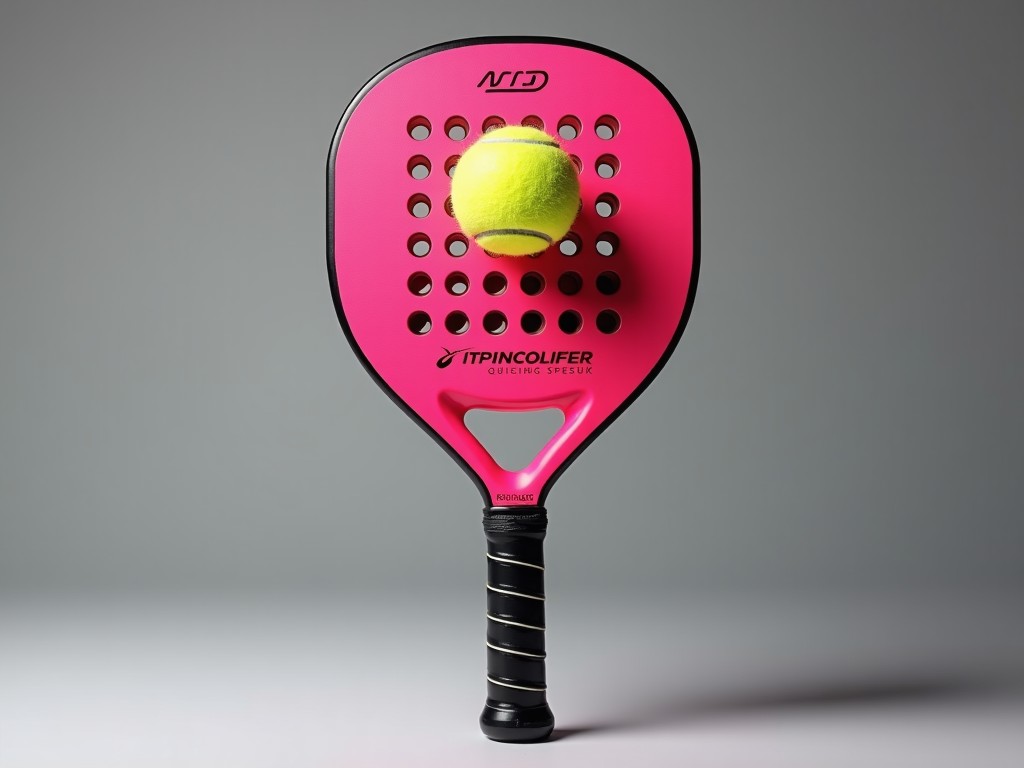
Surface texture variations range from sand-finish to rough-surface patterns. Rougher textures increase spin potential but are more prone to abrasion from ball impact. Manufacturers recommend a matte finish for high-volume rental fleets where aesthetic longevity is secondary to structural impact resistance.
Inspection Items and Test Methods
Batch consistency is verified through precision weight scales to ensure every unit falls within a ±3g tolerance of the target specification. Delamination resistance is assessed via ultrasonic testing to identify air pockets between the carbon fiber layers.
Core rebound is measured using drop tests to ensure the EVA foam maintains its elasticity. If the rebound rate drops below the specified threshold, the entire batch is rejected to prevent inconsistent performance for the end user.
Structural Integrity
Stress tests on the throat of the racket ensure the frame does not crack under high-torque serves.
Surface Finish
UV exposure testing confirms that the coating will not fade or peel under outdoor conditions.
Stock Availability and Reorder Planning
Inventory levels for raw materials like carbon fiber pre-preg fluctuate based on global supply chains. Buyers should initiate reorders 90 days prior to stock depletion to secure specific color-ways and material grades.
Setup, Use and Replacement Parts
Maintenance involves avoiding direct heat exposure, which can soften the EVA foam core. The grip wrap is a replaceable component and should be swapped when moisture buildup degrades the material to maintain optimal friction levels.
Questions Buyers Ask Before Ordering
- What is the standard balance point for a custom-ordered frame?
- Can the handle diameter be customized for specific grip sizes?
- How does the frame coating handle high-humidity environments?


