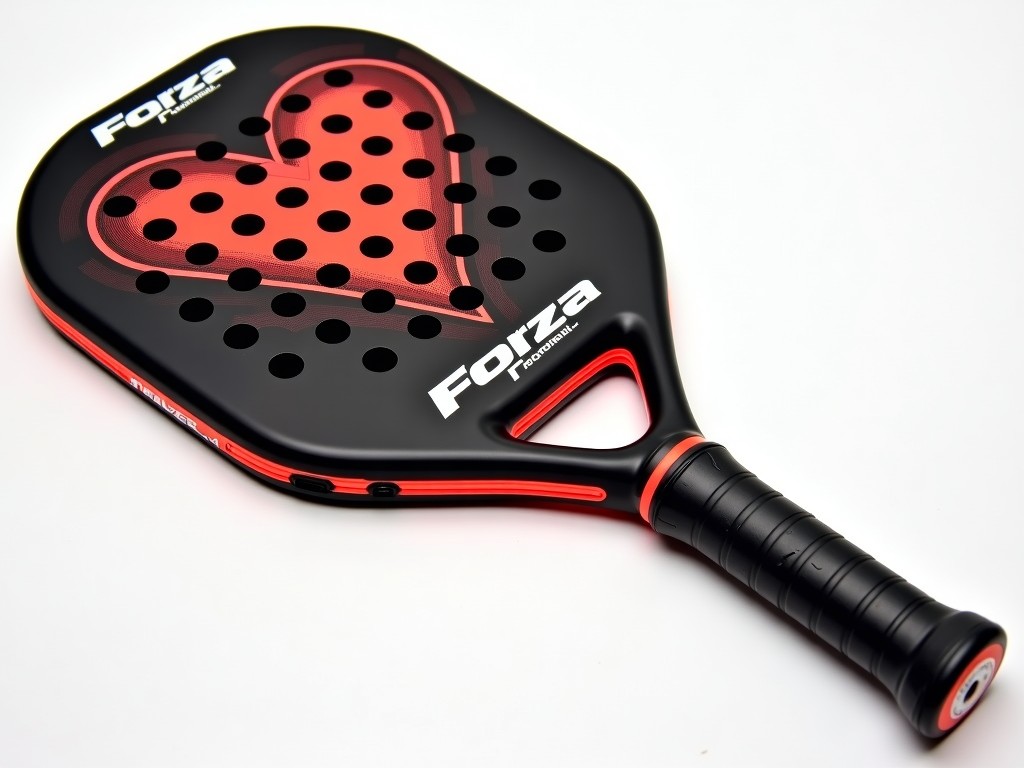
Specifying Direct Factory forza padel racket supplier for Wholesale and Orders
Most quality disputes start with a consistency gap. When ordering large-scale OEM padel rackets, variations in frame stiffness or weight distribution between batches lead to high return rates and damaged brand reputation. Procurement officers require a deep dive into the manufacturing process to ensure that every unit meets the technical specifications promised during the sampling phase.
Material Options and Their Trade-offs
Core and Surface Selection
The choice between 12K and 32K carbon fiber weaves dictates the racket's tensile strength and cost. Fiberglass faces provide a softer launch point for entry-level club rackets but suffer faster delamination under high-impact play. For professional grades, high-density EVA foam maintains its memory over 200 hours of play, whereas cheaper foams lose elasticity quickly, leading to a "dead" feel that customers will reject.
Construction Method and Its Effect on Consistency
Compression molding ensures uniform resin distribution across the core, preventing the air pockets common in manual layup processes. Manual layup increases the risk of structural failure after 50 hours of repetitive impact. By utilizing high-pressure curing cycles, the factory maintains a balance point within a ±2g tolerance across an entire production run of 500 units.
Surface treatments also impact long-term serviceability. A UV-resistant matte finish coating prevents the paint from fading when exposed to outdoor court conditions, which is a frequent complaint for academy-level rackets used daily in harsh environments.
Requirements by Buyer Segment
Club & Academies
- Focus on abrasion resistance for the frames.
- Lower-cost EVA cores for beginner turnover.
- Standardized weight profiles for mass durability.
Private-Label Brands
- Custom carbon fiber weaves for premium feel.
- Strict weight tolerances (±1g).
- Specialized aesthetic finishes and OEM branding.
How Consistency Is Held Across Batches
| Test Metric | Method | Acceptable Tolerance |
|---|---|---|
| Total Weight | Digital scale verification | ±3 grams |
| Balance Point | Static balance test | ±5mm |
| Stiffness Index | Deflection load test | ±5% |
Volume Planning and Lead Time
Production cycles for 1,000 units typically span 45-60 days depending on the curing times of the resin used. Logistics planning must account for freight transit to avoid seasonal launch delays. Large-scale orders benefit from bulk material procurement, which reduces the unit cost without compromising the structural integrity of the frame.
Reliable suppliers provide batch-tracking schedules that align with your retail launch date. This transparency ensures that raw materials like carbon fiber and EVA foam are reserved, preventing production halts due to market demand fluctuations.
Ready to review technical specifications for your next OEM order?
specification-review

