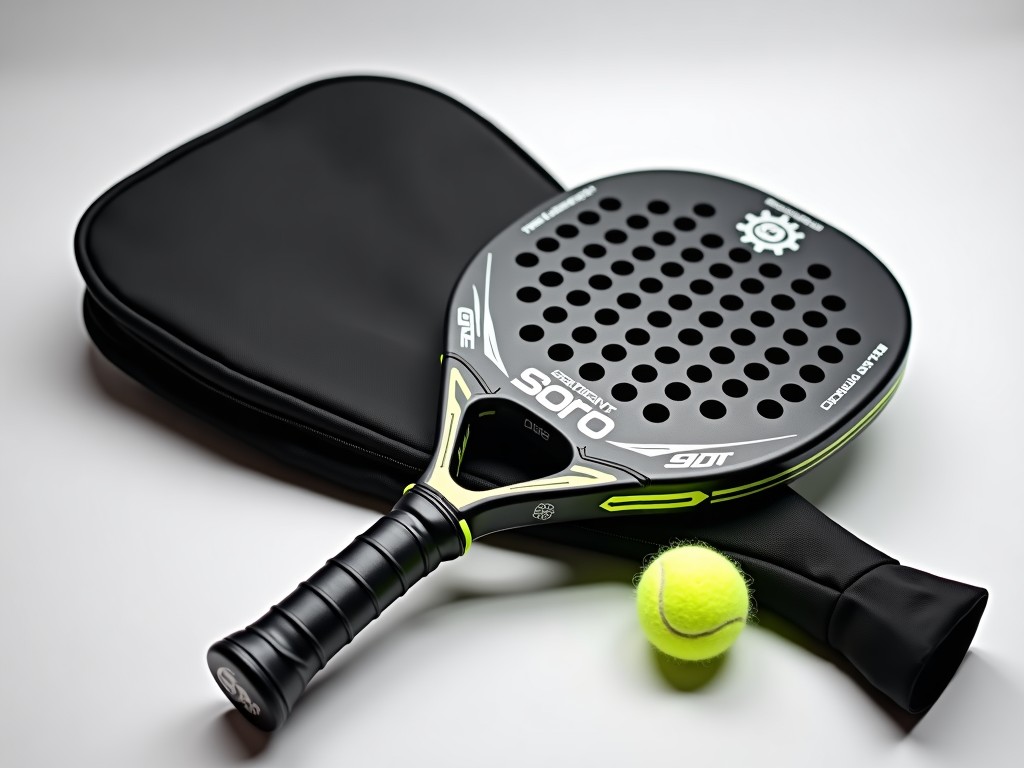
Specifying OEM top-quality carbon fiber padel racket pro Company for Wholesale and OEM Orders
During a private-label launch with a fixed ship date, the structural bond between carbon faces and the EVA core determines the retail return rate. If pressure during the curing cycle is inconsistent, the face will delaminate under high-impact play. Buyers must prioritize vacuum-molded processes to prevent this specific failure mode.
The Problem Buyers Keep Paying For
Low-cost manufacturers often use inconsistent resin ratios, leading to weight variations of up to 7g between units. This shifts the balance point, making the racket feel unpredictable for professional-level players. When the weight distribution varies across a batch, the aerodynamic profile changes, resulting in inconsistent swing fatigue during long matches.
Consistency Metrics
Standardized production requires a weight tolerance of +/- 2g. Achieving this ensures that every racket in a 500-unit order performs identically on the court, protecting your brand reputation.
Design Constraints Behind the Specification
Using 12k carbon fiber offers more flexibility than 3k but requires precise resin control to maintain stiffness. A 38mm frame increases power but reduces the sweet spot size. Engineers balance these trade-offs to ensure aero-drag and structural durability over the product life cycle.
Buying Mistakes That Lead to Returns
Selecting a supplier based solely on surface hardness without checking the core's rebound rate is a common error. Soft foams degrade faster in humidity, leading to a loss of pop within six months. Verify the foam density (kg/m³) to ensure the racket maintains its energetic response.
What Can Be Customised and What Cannot
Surface patterns, such as 3D textures or sand finishes, are easily modified via UV printing or mold-coating. However, the internal geometry of the bridge cannot be changed without redesigning the entire frame's aerodynamic profile.
- Custom grip materials and anti-slip over-mps.
- Variable core density options (Soft vs. Hard EVA).
- Fixed carbon fiber weave patterns (3k, 12k, or 24k).
Segment-Specific Requirements
Pro rackets require high-density EVA for maximum energy transfer. Club-level rackets benefit from lower density to prevent elbow strain through vibration absorption.
| Segment Level | Core Material | Primary Benefit |
|---|---|---|
| Professional/Tournament | High-Density EVA (60HD+) | Maximum Power & Control |
| Intermediate/Club | Medium-Density EVA (40HD-50HD) | Vibration Absorption |
| Beginner/Recreational | Soft-Density Foam | Comfort & Ease of Use |
What Gets Checked Before Shipment
Quality control focuses on sonic impact testing to detect internal voids in the carbon layers. We also verify the balance point to ensure every unit falls within the specified range.
| Usage Condition | Typical Failure | Preventative Specification |
|---|---|---|
| High-impact rallies | Delamination at the throat | Vacuum-pressure prepreg molding |
| High humidity environments | Core softening | UV-stabilized EVA foam |
| Repeated power play | Balance point drift | Weight tolerance +/- 2g |
Keeping Repeat Orders Supplied
Maintaining a 60-day lead time for reorders ensures retail stock remains stable during seasonal launches. Consistent material sourcing for carbon fiber weaves prevents variations in frame stiffness between different production runs.
Setup, Use and Replacement Parts
Store rackets in climate-controlled environments below 60% humidity to prevent the core from softening. Regular inspection of the grip tape prevents moisture buildup that can corrode the handle adhesive.
Ready to review our tooling capabilities for your next project?
Request a Tooling Review

