CE Certified approved pickleball balls Wholesale: What Buyers Should Check Before Ordering
Repeat loading drives the failure when the polymer chain lacks sufficient impact modification. In wholesale procurement, the primary challenge is not the initial performance of a single unit, but the variance observed across a 1,000-unit shipment. If the injection molding process produces inconsistent pressure, the aerodynamic profile of the ball shifts, leading to unpredictable flight paths that frustrate competitive-level players. Buyers must prioritize dimensional tolerances and weight distribution to ensure every unit in the batch behaves under under.
Scope of Supply and Physical Form
| Parameter | Indoor Specification | Outdoor Specification |
|---|---|---|
| Weight Range | 22.0g - 23.0g | 25.0g - 26.0g |
| Diameter | 40.0mm ± 0.2mm | 40.0mm ± 0.2mm |
| Hole Count | 20-26 holes (Seamless) | 38-40 holes (Perforated) |
| Material | High-Impact ABS | Reinforced ABS Blend |
Materials and Construction Trade-offs
The Glass Transition Factor
The choice of ABS (Acrylonitrile Butadiene Styrene) determines the ball's behavior in cold climates. Lower-grade resins reduce cost but become brittle at temperatures below 10°C. For outdoor wholesale contracts, a polymer blend with higher butadiene content prevents the immediate cracking at the hole edges during high-velocity impacts.Weight and stiffness trade off against each other; higher density material increases wind resistance but elevates the risk of structural deformation if the ball strikes a hard surface. A thicker-wall construction increases the cycle life but alters the bounce height, which may deviate from specific league-play requirements. Procurement officers must balance the cost-per-unit against the impact-cycle durability requirements of their specific end-market environment.
How to Choose Before Requesting a Quote
Technical validation begins with the tolerance specification for weight variance. If a manufacturer allows a ±0.5g margin, the aerodynamic consistency of the ball fails significantly across a single set. Request a data report on the injection molding process; molded balls offer more uniform stress distribution than machined-cut alternatives, which often leave internal stresses that lead to seam failure under fatigue-heavy play.
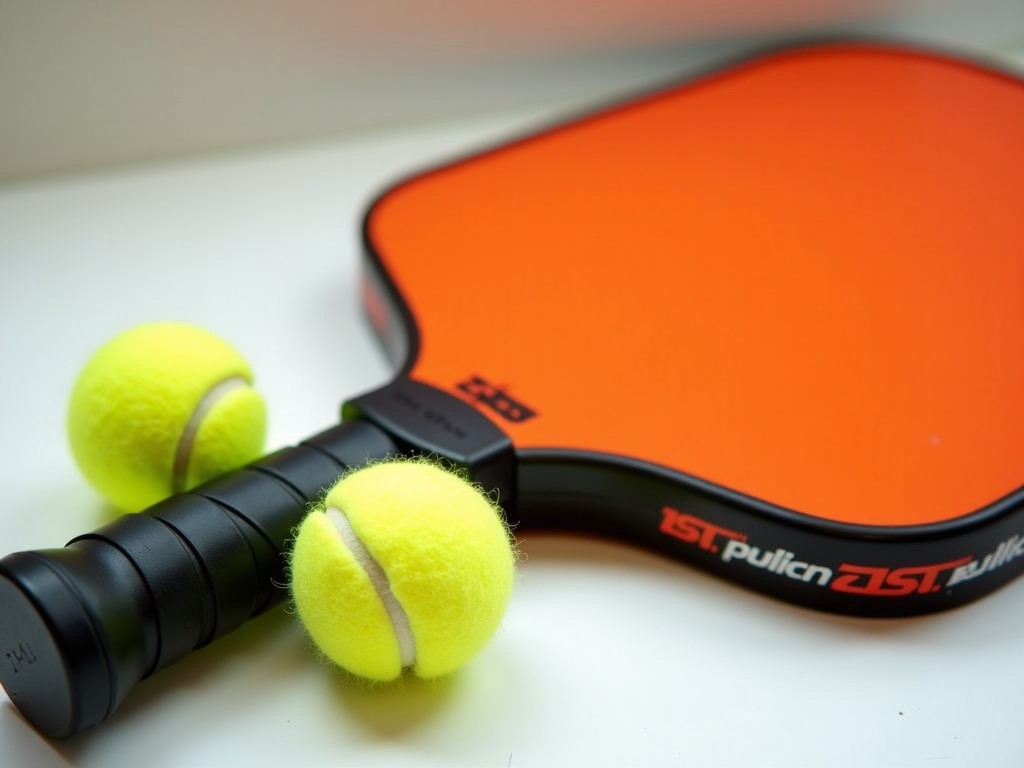
Surface finish also dictates the friction coefficient against the racquet. A matte-finish surface provides better spin control but tends to wear down faster on abrasive outdoor courts. For high-volume wholesale orders, a semi-textured finish is often preferred to maintain the aesthetic and performance grip after several hours of use.
Who Uses It and Where It Matters
Tournament Organizers
Focus is on batch-level consistency. The balls must withstand rapid-fire play without losing their spherical shape or showing significant surface abrasion from the court surface.
Academy Distributors
Focus is on cost-per-hour. These buyers require balls that can survive high-frequency impact from beginner players before the material reaches its fatigue limit.
Segment-Specific Requirements
- Indoor Play: Requires higher bounce consistency and specific hole patterns to minimize air drag on gym-floor surfaces.
- Outdoor Play: Demands UV-stabilized additives to prevent fading and material degradation from prolonged sunlight exposure.
- Cold Weather: Needs specialized impact-modified polymers to prevent the plastic from shattering upon impact.
Setup, Use and Replacement Parts
Storage conditions significantly impact the structural integrity of pickleball balls. Excessive heat during shipping can cause the ABS material to warp slightly, altering the ball's roundness. Wholesale buyers should ensure storage in climate-controlled environments to maintain the internal stress-balance established at the time of injection molding.
Replacement cycles are typically dictated by the visible deformation of the holes. Once the hole diameter expands by more than 5% due to wear, the aerodynamic stability is compromised, and the ball should be removed from competitive play to maintain fairness.
Questions Buyers Ask Before Ordering
What is the weight tolerance across a production batch?
Standard industrial-grade production maintains a tolerance of ±0.1g. Wider tolerances indicate inconsistent material density or cooling rates during the molding process.
Are the balls CE certified for material safety?
Certification ensures the plastics used are free of restricted phthalates and heavy metals, meeting European safety standards for consumer-grade sports equipment.
How does the material handle rapid temperature drops?
Performance depends on the polymer blend. High-impact ABS remains resilient down to 0°C, whereas standard grade plastics are prone to cracking.
Ready to finalize your technical specifications for private-label production?
Initiate artwork and branding review

