custom lightweight composite edgeless pickleball factory - Bulk Supply and Specification Guide
Cost and durability pull in opposite directions once the material selection process begins for high-volume orders. While thinner carbon fiber layers reduce the weight-to-cost ratio, they increase the risk of structural fatigue under high-impact play. Material choice starts with the conditions the product will meet, specifically whether the end-user prioritizes hand-speed maneuverability or long-term frame resilience for recreational play.
The Problem Buyers Keep Paying For
Structural failure in edgeless designs often originates at the perimeter where the composite face meets the honeycomb core. Because these paddles lack a traditional plastic edge guard, the edges of the core are directly exposed to shear stress during impact. If the resin-to-fiber ratio is not optimized during the vacuum-pressing stage, the face will delaminate within the first three months of competitive use.
How It Performs in Use
Swing weight remains the primary metric for evaluating performance in the lightweight composite segment. A 16mm core thickness provides a larger sweet spot but increases the total mass compared to a 13mm variant. The edgeless design removes approximately 10g to 15g of material from the perimeter, allowing for a faster recovery speed without sacrificing the overall stiffness of the face.
Surface friction is determined by the carbon fiber weave density. A 3K carbon weave offers a more textured surface for spin generation, whereas a 12K weave provides higher durability against abrasion from the ball. The choice between these materials dictates the dwell time felt by the player during impact.
| Parameter | Standard Range | Performance Impact |
|---|---|---|
| Core Thickness | 13mm - 16mm | Thicker cores increase vibration dampening. |
| Total Weight | 7.0oz - 8.5oz | Lower weight increases hand-speed. |
| Face Material | Carbon Fiber / Fiberglass | Carbon offers higher spin potential. |
Assumptions Buyers Should Stop Making
Construction options diverge as soon as weight matters in the manufacturing process. Many procurement officers assume that a lightweight edgeless paddle is inherently fragile. In reality, the structural integrity depends on the internal geometry of the honeycomb and the thermal bonding of the composite layers, rather than the presence of an edge guard.
Another common misconception is that all carbon fiber paddles are identical. The modulus of the fiber determines how much energy is returned to the ball. A high-modulus fiber is stiffer but more prone to cracking if the molding process does not utilize precise cooling cycles.
What Can Be Customised and What Cannot
Customization is focused on the surface finish, grip material, and internal core density. However, the fundamental aerodynamic dimensions of the paddle face are usually fixed once the steel molds are machined. Changing the shape post-production requires a complete investment in new tooling costs.
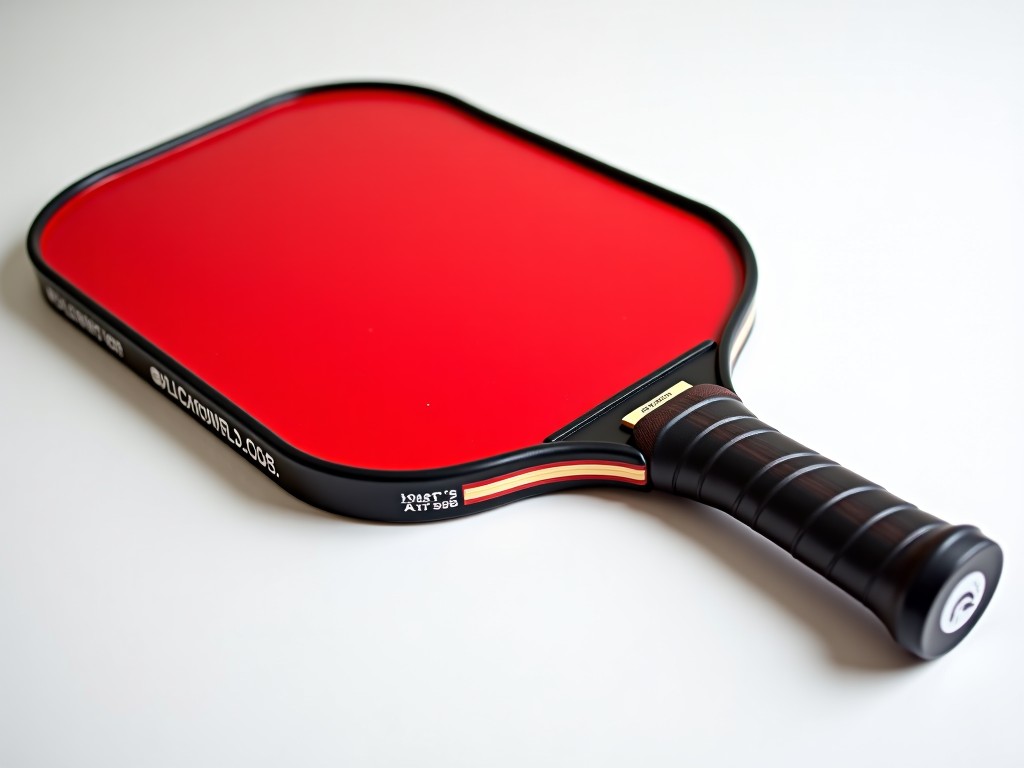
- Surface grit levels can be adjusted for friction.
- Core foam inserts can be added to reduce vibration frequency.
- Grip diameter and material (perforated vs smooth).
- Custom branding applied via UV printing or heat-transfer.
Segment-Specific Requirements
Tournament-grade equipment requires strict weight tolerances within +/- 2 grams to ensure consistency across a batch. Recreational-grade paddles often prioritize abrasion resistance on the face, as these units see more frequent use on varied abrasive court surfaces.
Professional Tier
Focuses on high-modulus carbon and 13mm cores for maximum power transfer.
Club Tier
Focuses on fiberglass blends and 16mm cores for comfort and durability.
Inspection Items and Test Methods
Quality assurance begins with rebound consistency testing to ensure the honeycomb core has not collapsed during transport. We also perform drop tests on the edgeless perimeter to verify the resin bond can withstand impact without delamination.
| Usage Condition | Typical Failure | Prevention Specification |
|---|---|---|
| High-impact court play | Edge delamination | Reinforced resin-infused carbon molding |
| Long-term friction | Surface abrasion | High-density weave selection |
Stock Availability and Reorder Planning
Lead times for custom edgeless paddles are dictated by the curing cycle of the composite. For existing molds, production typically takes 30 to 45 days from artwork approval. Buyers should initiate reorders 60 days before stock depletion to account for quality control testing and international freight logistics.


