custom womens pickleball backpack bag factory - Bulk Supply and Specification Guide
Moving from sample orders to container loads changes the focus from aesthetic approval to structural tolerance stability. When an importer transitions from prototype validation to mass production, the primary risk shifts to seam failure under repetitive stress and the longevity of the water-resistant coatings. This guide outlines the technical parameters required to ensure that hybrid backpack-tote designs survive the rigors of court-side use without triggering high return rates.
Scope of Supply and Physical Form
The architecture of a pickleball-specific tote requires a hybrid geometry that balances weight distribution with specialized equipment protection. Most production models feature a dedicated internal compartment lined with high-density EVA foam to prevent paddle fractures during impact. This compartment must utilize reinforced bar-tacks at the attachment points to prevent tearing when the bag is loaded to its maximum capacity.
Structural Integrity Note
Standard shoulder strap-to-body junctions often fail due to single-row stitching. We implement triple-needle bonded seams with internal cross-stitch webbing to distribute the 10kg-15kg load across the back-panel frame.
Ergonomic design extends to the back-panel construction. A multi-layered mesh insert provides airflow to prevent moisture buildup between the user's back and the bag surface. If the mesh density is too low, the material loses its shape recovery quickly, leading to a sagging bag profile within 90 days of seasonal use.
Materials and Construction Trade-offs
Fabric Density Selection
The choice between 600D Polyester and Ballistic Nylon dictates the final unit price and abrasion resistance. 600D Polyester offers a cost-effective solution for retail-grade totes but shows faster fraying on abrasive surfaces. Ballistic Nylon provides higher tensile strength but increases the base weight of the bag by approximately 150-200g.
Water resistance is achieved through surface lamination. A PU (Polyurethane) coating provides a basic moisture barrier but can delaminate over time if exposed to high heat or friction. TPU (Thermoplastic Polyurethane) lamination offers a more permanent bond to the fabric fibers, increasing increasing material cost by 15-20%.
| Feature | Standard Grade | Premium Grade |
|---|---|---|
| Primary Material | 600D Polyester | Ballistic Nylon |
| Coating Type | Internal PU Coating | TPU Lamination |
| Zipper Hardware | No.5 Coil | YKK Aquaguard-Resistant |
Measured Performance in Real Use
Performance in the field is measured by how the bag handles fluctuating humidity and mechanical stress. Low-grade zippers often snag when the fabric deforms due to humidity or salt-related corrosion. We test zipper pulls for 5,000 cycles to ensure the slider teeth do not pull off the track after a full season of daily use.
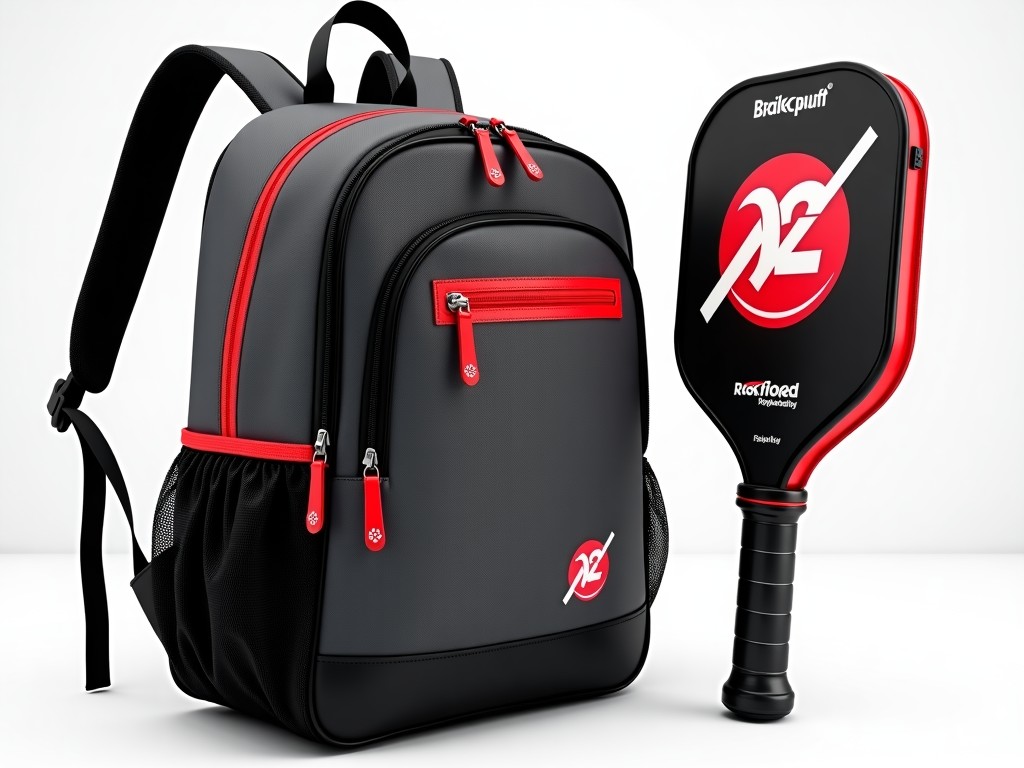
Load-bearing capacity is another critical failure point for tote-style hybrids. When the bottom of the bag is not reinforced, the corners undergo high shear stress. Our manufacturing process utilizes a reinforced base with a stiff panel that prevents the bag from losing its rectangular shape when the user reaches into the side pockets.
Size, Weight and Specification Range
| Configuration | Dimensions (cm) | Weight (g) |
|---|---|---|
| Small Tote | 35 x 25 x 15 | 550-700 |
| Standard Backpack | 45 x 30 x 20 | 850-1100 |
| XL Pro Pack | 55 x 35 x 25 | 1200-1500 |
Buying Mistakes That Lead to Returns
The most common cause of returns is insufficient stitch density at the stress points. If the stitch count falls below 8 stitches per inch (SPI), the weight of multiple paddles and water bottles will cause the fabric to pull apart. Buyers should specify a minimum of 10-12 SPI for all load-bearing seams.
Neglecting the hardware material also results in high failure rates. Plastic buckles become brittle in cold weather or snap under sudden lateral tension. Utilizing industrial-grade acetal for all-strap buckles ensures the hardware remains functional even if the bag is dropped or stored on hard surfaces.
Segment-Specific Requirements
Club-level distributors require high durability and ease of cleaning. These bags often undergo frequent washing, necessitating materials that resist pilling and fading. Conversely, retail-focused brands may prioritize aesthetic finishes and lightweight materials, which requires a shift toward thinner fabrics that sacrifice some resistance for visual appeal.
How Consistency Is Held Across Batches
Consistency is maintained through rigorous batch-matching and tolerance checks. Before a production run, a master sample is signed and dated to serve as the approved benchmark. Every subsequent batch is measured against this sample to ensure that color shades and dimensions remain within a ±3mm tolerance of the original specification.
We perform random pull tests on every batch to verify that the strength of the thread and fabric has not deviated due raw material changes. If a batch fails the threshold, the entire lot is quarantined for inspection, preventing defective units from reaching the importer.
Setup, Use and Replacement Parts
To maintain the integrity of the bag, users should avoid machine drying at high temperatures, as heat can degrade the PU coating. For maintenance, we provide replaceable strap hardware and modular zipper pulls, allowing distributors to offer repair services rather than replacements for the entire unit.


