Direct Factory IANONI pickleball wholesale: What Buyers Should Check Before Ordering
The complaint that repeats across reorders often involves the separation of the face from the honeycomb core after high-impact play. This delamination typically occurs when the adhesive bond fails to withstand the mechanical stress of repeated ball impacts. For wholesale buyers, the structural integrity of the paddle determines the return rate and the perceived value of the private label brand.
Construction Method and Its Effect on Consistency
| Method | Technical Impact | Wholesale Consideration |
|---|---|---|
| Cold Pressing | Lower pressure distribution; higher risk of air pockets. | Lower unit cost; higher failure rate in humidity. |
| Thermal Molding | Uniform heat-set resin-to-core bond. | Higher tooling cost; superior durability for premium tiers. |
Thermal molding ensures that the polymer honeycomb core remains fused to the face material under uniform pressure. This process eliminates the internal voids that lead to inconsistent sweet spots. When a buyer orders in bulk, the variance in weight across 1,000 units should remain within +/- 2 grams to maintain retail standards.
Specification Range and Customisation Limits
Core thickness is the primary driver of the paddle's performance profile. A 13mm core provides more power through less energy absorption, whereas a 16mm core increases control and reduces vibration damping. Procurement officers must align these specifications with the target market demographic, as recreational players often favor control, while competitive players seek the power of thinner faces.
Surface Friction and Weight
Total weight typically ranges from 7.0 to 8.5 ounces. The balance point dictates the swing weight; a head-heavy balance increases torque on impact but increases fatigue during long sessions. Surface treatments, such as carbon fiber weaves or grit coatings, determine the coefficient of friction which directly affects the ball spin rate.
Customisation Options and Their Limits
Carbon Fiber Face
Provides high spin potential due to the textured surface. This material requires precise weaving techniques to ensure the face does not peel under high UV exposure.
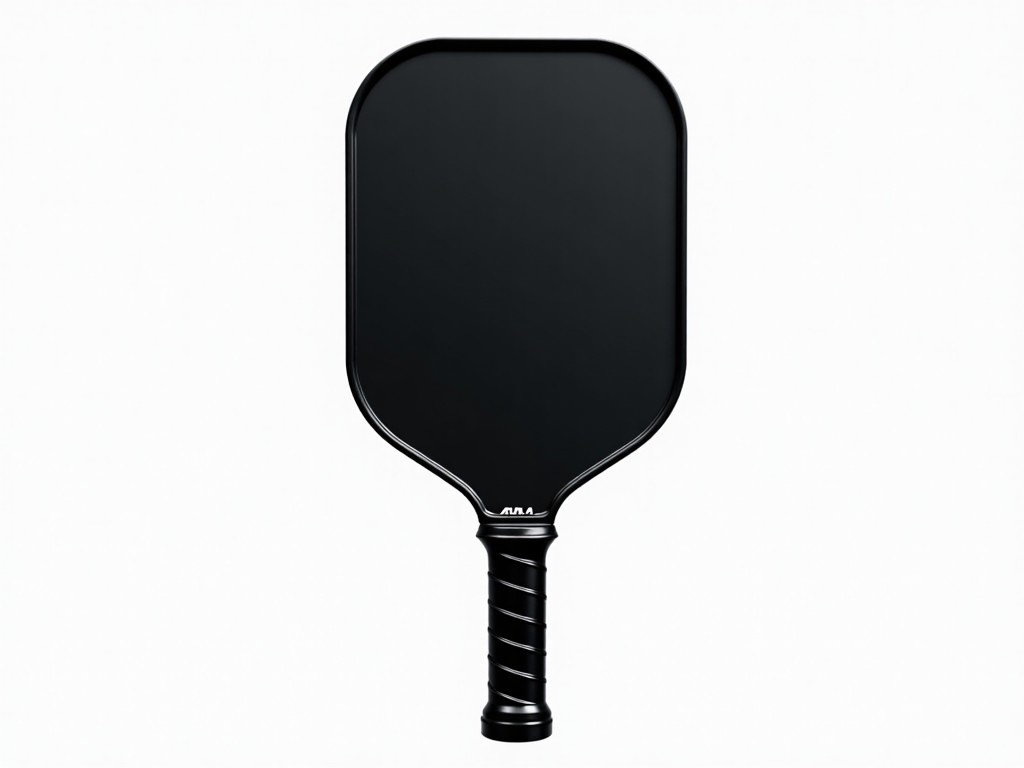
Fiberglass Face
Offers more "pop" and power at a lower manufacturing cost. It is more prone to surface wear over extended use compared to reinforced carbon variants.
Custom branding involves UV printing or screen printing. Sublimation allows for full-color graphics but can affect the surface friction friction if the ink layer is not cured correctly. For high-volume wholesale orders, requesting material samples is necessary to verify artwork alignment on the paddle face.
Capacity, Tooling and Scheduling
Production timelines depend on the availability of existing molds. New paddle shapes require CNC-machined aluminum molds which add 4 to 6 weeks to the initial development phase. Existing shapes allow for faster entry into production.
| Metric | Standard Range |
|---|---|
| Minimum Order Quantity (Standard Mold) | 500 - 2,000 units |
| Lead Time (Stock) | 30 - 45 days |
| Custom Tooling Time | 60 - 90 days |
Setup, Use and Replacement Parts
Maintenance focuses on the grip and the edge guard. Sweat absorption into the grip material over time leads to material degradation and loss of tactile control. Recommending grip replacements every 3 months prevents internal moisture from reaching the wooden handle insert.
Replacement parts are limited to overgrips and edge tape. If the edge guard is compromised, the honeycomb core becomes exposed to moisture, which causes rapid structural failure. Ensuring the paddle is properly sealed extends the product lifecycle for the end consumer.
Ready to discuss technical specifications for your next batch?
Request a Sample and Quote

