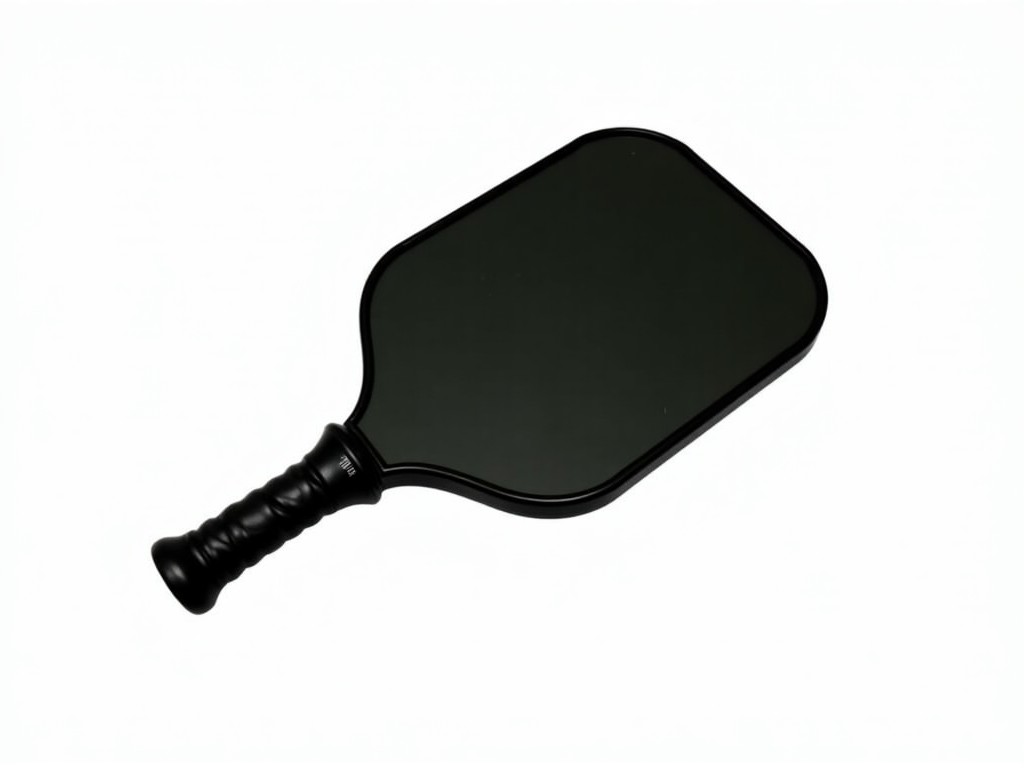
OEM latest design carbon fiber pickleball Company: Specification, Ordering and Quality Notes
Total cost of ownership shifts once returns are counted. For distributors and brand managers, the initial unit price of a carbon fiber pickleball paddle is secondary to the rate of surface delamination and core fatigue. Our manufacturing process focuses on the structural bond between the 30K carbon fiber face and the polymer honeycomb core, ensuring the paddle maintains its rebound coefficient after repeated high-velocity impacts. This approach prevents the "dead spot" effect common in lower-grade composites where the face layers separate over time.
Procurement teams sourcing a secondary supplier often prioritize batch consistency to avoid weight drift. A paddle that starts at 230g is only; if the core loses structural memory after 100 hours of play, the balance point shifts significantly for the end-user, leading to high return rates in direct-to-retail models. By utilizing a vacuum-molded curing process, we maintain a +/- 0.5mm tolerance on core thickness across an entire production run of 5,000 units.
Where Cheaper Alternatives Fall Short
Cheaper stock options fail at the worst point in the season. Low-market alternatives often utilize fiberglass faces with thin resin layers that wear down under abrasive abrasion. This wear reduces the paddle's ability to generate spin, as the friction coefficient of the surface diminishes after weeks of use. Our design employs a friction grit-textured carbon fiber that maintains its abrasive profile even after exposure to sweat and UV radiation.
Standard failure points also occur at the edge guard attachment. When the edge guard is merely glued rather than integrated, the impact of ground-strikes causes the guard to peel away. We utilize a reinforced injection-molded edge guard that wraps around the carbon perimeter, distributing stress across the entire frame rather than a single seam.
How It Performs in Use
High-frequency play environments demand materials that resist chemical degradation and mechanical stress. Sweat and skin oils can penetrate standard foam grips on cheaper paddles, leading to slippage and material rot. We use a multi-layered polymer grip wrap that prevents moisture ingress into the handle core, ensuring the grip integrity remains consistent throughout multi-hour tournament sessions.
UV exposure is often overlooked in paddle specifications. Prolonged sunlight can degrade the resins used in standard composite paddles, making the face brittle. Our carbon fiber layup includes UV-stabilized resin blends that prevent yellowing and structural embrittlement when the paddles are stored in outdoor clubs or vehicles.
Size, Weight and Specification Range
| Parameter | Standard Range | Technical Impact |
|---|---|---|
| Overall Length | 390mm - 445mm | Determines reach and leverage. |
| Total Weight | 210g - 235g | Affects swing weight and maneuverability. |
| Core Thickness | 13mm - 16mm | Controls power vs. control ratio. |
| Face Material | T3K Carbon Fiber | Dictates stiffness and sweet spot size. |
Comparing Two Standard Configurations
Thermoformed Construction
This method uses high heat and pressure to mold the face and core as a single unit. It eliminates internal seams, resulting in a significantly stiffer frame and larger sweet spot.
- Maximum power transfer
- Higher resistance to delamination
- Higher initial tooling cost due to precision molds
Cold-Molded Construction
Traditional assembly involves gluing the face to a pre-cut core. This creates a softer "feel" which is often preferred by players prioritizing control over raw power.
- Enhanced control and touch
- Lighter overall weight distribution
- Lower MOQ for private-label entry
Matching the Product to the Buyer's Need
- For high-volume retail brands, the 16mm thermoformed paddle offers the best durability profile, reducing customer-service claims.
- Distributors targeting competitive tournament players should focus on 13mm carbon-face variants to meet demand for aggressive ball generation.
- Private-label startups with limited capital can utilize the cold-molded configurations to minimize initial tooling investment while testing market response.
Quality Control and Batch Consistency
Tooling amortisation decides the long-term viability of your product line. When molds are not maintained correctly, the dimensions of the carbon fiber faces drift, leading to inconsistent paddle weights across a shipment. We implement a CNC-milled core process to ensure that the density of the polymer honeycomb is uniform. This density consistency is what ensures that every paddle in a 2,000-unit order performs with identical rebound characteristics.
Final inspection includes a weight-balance check and a surface friction test. If a batch deviates more than 2 grams from the target specification, it is flagged for manual adjustment. This level of oversight is what protects a brand's reputation for reliability in the crowded pickleball market.
Ready to review your custom design specifications?
Request an artwork and branding review

