Specifying oem raw carbon fiber pickleball paddles manufacturer for Wholesale and OEM Orders
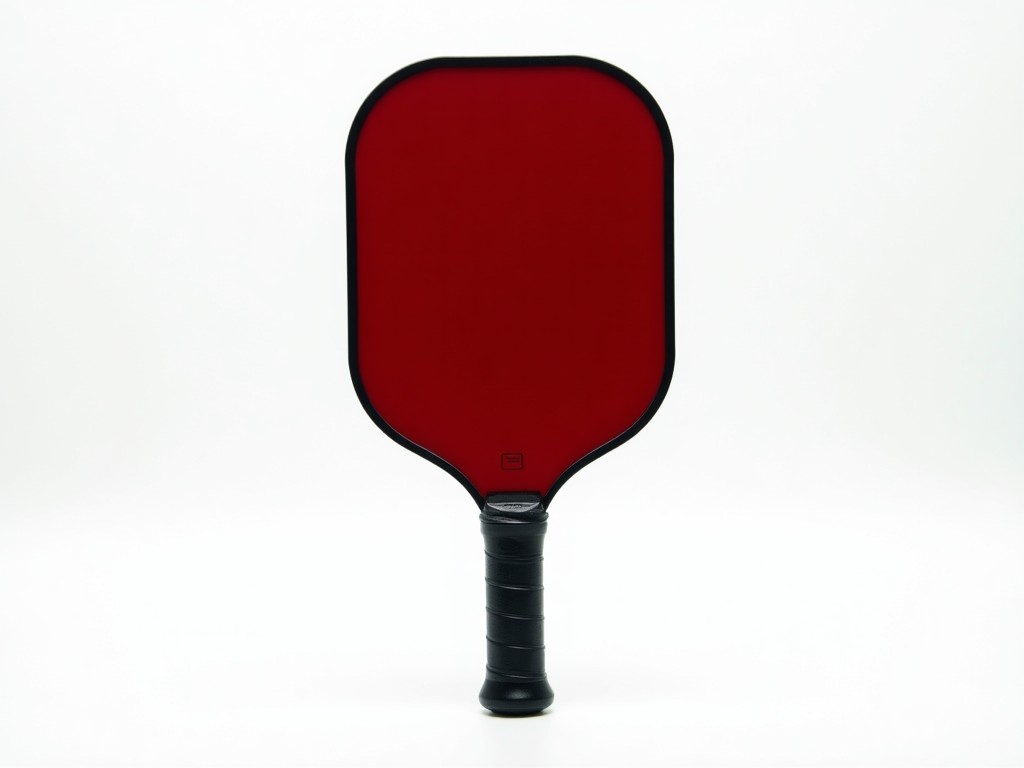
First-article tooling determines the precision of the paddle face and the consistency of the carbon fiber layup. For private-label brands and academies, raw carbon fiber construction provides a specific stiffness-to-weight ratio that fiberglass alternatives cannot match. This manufacturing focuses on the integration of 3K or 12K carbon weaves to ensure the paddle surface remains flat under repetitive impact from high-velocity polymer balls.
Wholesale buyers prioritize the stability of the swing weight across a full batch. A well-executed thermoforming process bonds the carbon face directly to the polymer honeycomb core, reducing the risk of delamination that often plagues lower-molded units during high-intensity tournament play.
Where Cheaper Alternatives Fall Short
| Feature | Fiberglass Composite | Raw Carbon Fiber |
|---|---|---|
| Surface Stiffness | Flexible; prone to energy loss | Rigid; maximum power transfer |
| Weight Consistency | High variance per batch | Low variance via precision layup |
| Impact Resistance | Subject to surface cracking | High tensile strength |
What Actually Determines Performance
Core Density and Balance
Process choice shows up later as the weight distribution across the internal polymer honeycomb core. A 13mm core offers more control for defensive players, while a 16mm core increases the spot spot and stability. The carbon fiber face ensures that these core thicknesses do not deform under the thermal stress of outdoor environments, maintaining the paddle's bounce consistency.
Construction Method and Its Effect on Consistency
The build method decides the long-term resistance of the edge guard against thermal expansion and impact stress. Traditional molding often creates air pockets where the face meets the frame. In contrast, thermoforming uses heat and pressure to fuse the carbon layers into a single monolithic structure, eliminating these weak points.
By controlling the resin flow during the curing cycle, manufacturers can ensure the paddle stays within a ±2 gram tolerance. This precision is critical for academies buying branded equipment, as it guarantees that every paddle in a bulk order feels identical to the athlete.
Measured Performance in Real Use
In outdoor conditions, paddles are subjected to high UV radiation and fluctuating humidity. Raw carbon fiber is inherently resistant to these factors, preventing the warping often seen in cheaper plastic composites when left in hot vehicles. The surface grit, often applied via a textured coating, must maintain its friction coefficient to provide spin even after multiple hours of abrasive play.
Sweat resistance is also managed through the grip material selection. We utilize moisture-grade synthetic wraps that prevent moisture from migrating into the handle, which ensures the internal balance point does not shift over the product's service life.
Segment-Specific Requirements
| Requirement | Professional Academy Focus | Wholesale Retail |
|---|---|---|
| Durability | High-impact edge guards | Standard wear-resistant edges |
| Surface Finish | High-friction friction grit | Vibrant aesthetic prints |
| Customization | Custom weight distribution | Logo branding options |
Working as a Production Partner, Not a Catalogue Supplier
Partnering with an OEM manufacturer requires transparency in the material supply chain. We provide technical data sheets for the carbon fiber weave and the polymer density of the cores used in every batch. This allows procurement officers to verify that the private-label product meets the specific performance benchmarks promised to their end-users.
Our workflow includes a sample approval phase where physical prototypes are tested for balance drift and rebound consistency before mass production begins. This mitigates the risk of receiving large shipments that do not align with the technical specifications.
Care, Storage and Service Life
- Store in temperature-controlled environments to prevent thermal expansion of the honeycomb core.
- Clean surface with a damp cloth to remove salt and sweat without degrading the carbon grit.
- Avoid prolonged exposure to direct sunlight to maintain the integrity of the resin bonds.
- Replace the grip wrap when material signs of compression to prevent moisture absorption in the handle.
Ready to discuss technical specifications for your carbon fiber paddle line?
Request a technical sample and manufacturing quote

