wholesale ethos pickleball paddle supplier - Bulk Supply and Specification Guide
What This Product Is and Where It Fits
| Feature | Technical Specification | Buyer Impact |
|---|---|---|
| Core Material | Polypropylene Honeycomb | Determines energy return and vibration damping. |
| Face Material | Carbon Fiber / Fiberglass | Affects surface friction and spin potential. |
| Standard Thickness | 13mm / 16mm | Thicker cores increase control and reduce weight. |
| Weight Range | 7.5oz - 8.5oz | Influences swing weight and maneuverability. |
Wholesale procurement of pickleball paddles requires an understanding of how internal construction translates to long-term field performance. Clubs and academies often prioritize paddles that maintain consistent balance points across thousands of hours of play. The interface between the foam-edge guard and the face material determines whether the paddle will resist delamination under repeated thermal stress or high-impact collisions.
What Actually Determines Performance
Balance and load analysis shows that the distribution of mass within the paddle frame dictates the player's swing weight. A head-heavy configuration increases the torque applied during serves but raises the strain on the wrist during rapid defensive transitions. Buyers must weigh these trade-offs against the specific demographic of their clientele, from recreational beginners to tournament players.
Surface friction is governed by the weave density of the face material. Carbon fiber weaves offer a higher coefficient of friction than smooth fiberglass, allowing for greater spin rates on the ball. However, these surfaces are more susceptible to abrasion wear if the grit is not treated with a UV-resistant coating that prevents polymer degradation over time.
Deflection under load governs the "pop" or feel of the paddle. A stiffer core returns more energy to the ball instantly, whereas a more flexible core absorbs energy, providing better touch control for soft-game-net play.
Specification Range and Customisation Limits
Customization for wholesale orders typically involves the selection of specific dimensions and grip materials. We provide various grip diameters ranging from 4.25 inches to 5.5 inches to accommodate different hand sizes and comfort preferences. The edge guard construction is either recessed or over-molded, which affects the paddle's resistance to ground-strike impacts.
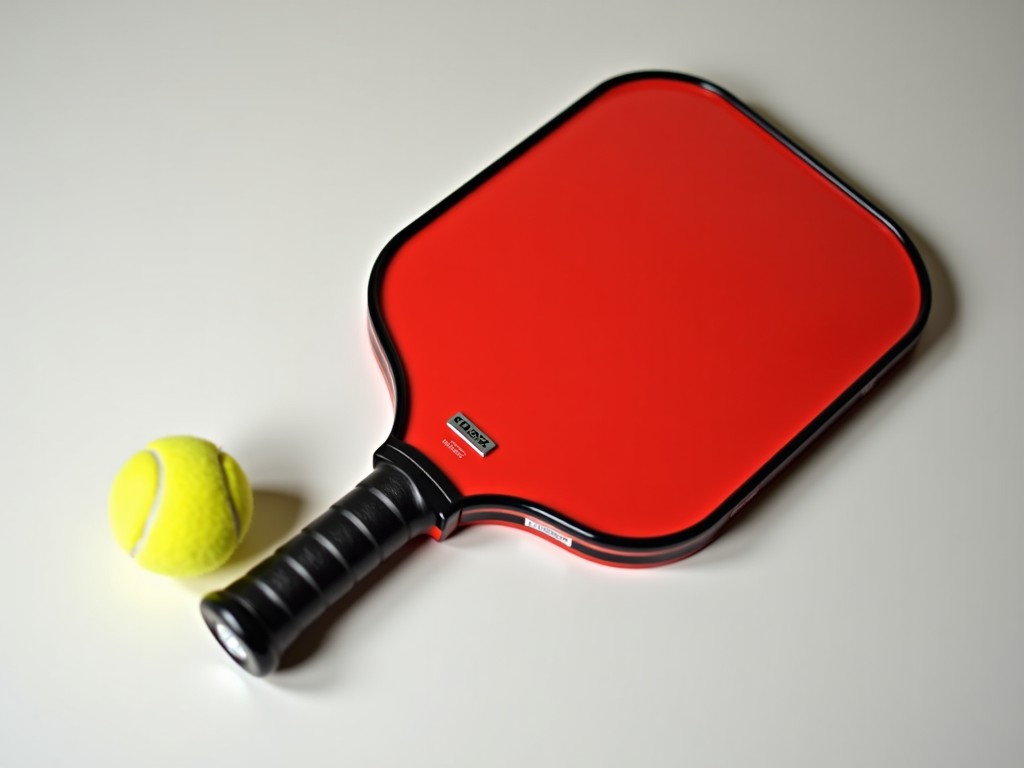
- Face weave options: T7 carbon fiber, 3K carbon weave, or unidirectional fiberglass.
- Core density variations: Standard-density honeycomb or specialized foam-injected edges.
- Branding: Silk-screen printing, UV printing, or full-surface sublimation graphics.
- Grip material: Open-cell foam, synthetic leather, or silicone.
Comparing Two Standard Configurations
The 13mm Power Model
Designed for aggressive players seeking maximum ball velocity. The thinner core results in a lower mass profile, allowing for faster swing speeds.
- Higher energy return.
- Lower swing weight.
- Smaller sweet spot area.
The 16mm Control Model
Engineered for precision and vibration dampening. The thicker honeycomb structure absorbs more impact, providing stability on soft shots.
- Enhanced vibration damping.
- Increased weight for stability.
- Larger sweet spot area.
Usage Scenarios and Buyer Segments
Academy purchasing managers often require high volumes of paddles that can withstand daily use by students. In these scenarios, the primary failure mode is grip material abrasion and edge guard peeling. We prioritize reinforced perimeter molding for these high-turnover segments.
Retail distributors focus on aesthetic variety and price-point competitiveness. For this segment, the durability of the surface graphics is critical to ensure the product looks new on the shelf after months of UV exposure in outdoor displays.
Quality Control and Batch Consistency
Consistency depends on rigorous weight-variance-checking across every production run. A variance of more than 0.5 grams across a batch can alter the perceived balance for the user. Our inspection process includes acoustic sonic testing to ensure core density remains within specified tolerances.
We perform delamination testing using thermal cycling to verify the bond between the face material and the honeycomb core. This ensures the paddle does not separate when exposed to high-humidity environments or rapid temperature changes in outdoor play.
Stock Availability and Reorder Planning
Deflection under load governs the manufacturing cycle for custom-grade carbon faces. While standard configurations are maintained in bulk inventory, private-label orders typically require a lead time of 8-12 weeks depending on material availability and tooling requirements.
Buyers should plan reorder cycles based on seasonal demand peaks, particularly before the spring and summer leagues. Maintaining a buffer stock of standard configurations prevents stockouts during peak tournament periods.
Setup, Use and Replacement Parts
Maintenance of the paddle involves periodic replacement of the grip once the sweat-induced oils degrade the material. The face should be cleaned with a damp cloth only; avoid abrasive solvents that can strip the friction-enhancing grit layer.
Replacement edge guards are not typically available for integrated models, as the over-molded design is intended to prevent failure at the seams.
Review technical specifications and discuss bulk pricing options.

