wholesale regripping a tennis racket kits supplier: What Buyers Should Check Before Ordering
What This Product Is and Where It Fits
| Component | Technical Specification | Primary Function |
|---|---|---|
| Base Grip | 1.5mm-2.0mm polyurethane foam | Shock absorption and handle sizing |
| Overgrip | 0.5mm-0.8mm micro-perfor PU | Moisture management and friction coefficient |
| Finishing Tape | Non-woven adhesive paper-weave | Secure wrap tension |
Retail brands and club academy managers utilize these kits to provide end-to-end solutions for equipment maintenance. A wholesale kit typically bundles the necessary materials to transform a racquet handle's diameter and surface texture without requiring specialized frame-level modifications. When sourcing in bulk, the focus shifts to the consistency of the adhesive bond strength and the tack retention of the overgrip material across high-volume production batches.
The Problem Buyers Keep Paying For
The most common failure point in low-grade kits is the rapid degradation of the surface tack under sweat exposure and UV radiation. Cheap materials often use inferior polymers that lose their friction coefficient within the first three to five hours of high-intensity play. This result leads to increased return rates for retailers and customer dissatisfaction when the grip becomes slippery or "sticky" in humid conditions.
Another recurring issue is the adhesive delamination of the base grip. If the adhesive pressure is not calibrated for the thermal expansion of the racquet handle, the grip curls at the butt end, creating a structural imbalance that affects swing weight. Procurement officers must prioritize kits that utilize heat-sensitive adhesives to ensure the wrap remains flush throughout the entire service life of the component.
What Actually Determines Performance
Performance is dictated by the material density and the moisture-wicking rate of the top layer. A higher-density foam provides better rebound but increases the overall weight of the racket, which alters the balance point for competitive players.
Polyurethane (PU)
Offers the highest tackiness and moisture resistance. Ideal for professional-grade kits where sweat absorption is critical to preventing grip slip.
Synthetic Leather
Provides maximum durability and a classic feel. Best for recreational-level kits where grip longevity is prioritized over extreme tactile feedback.
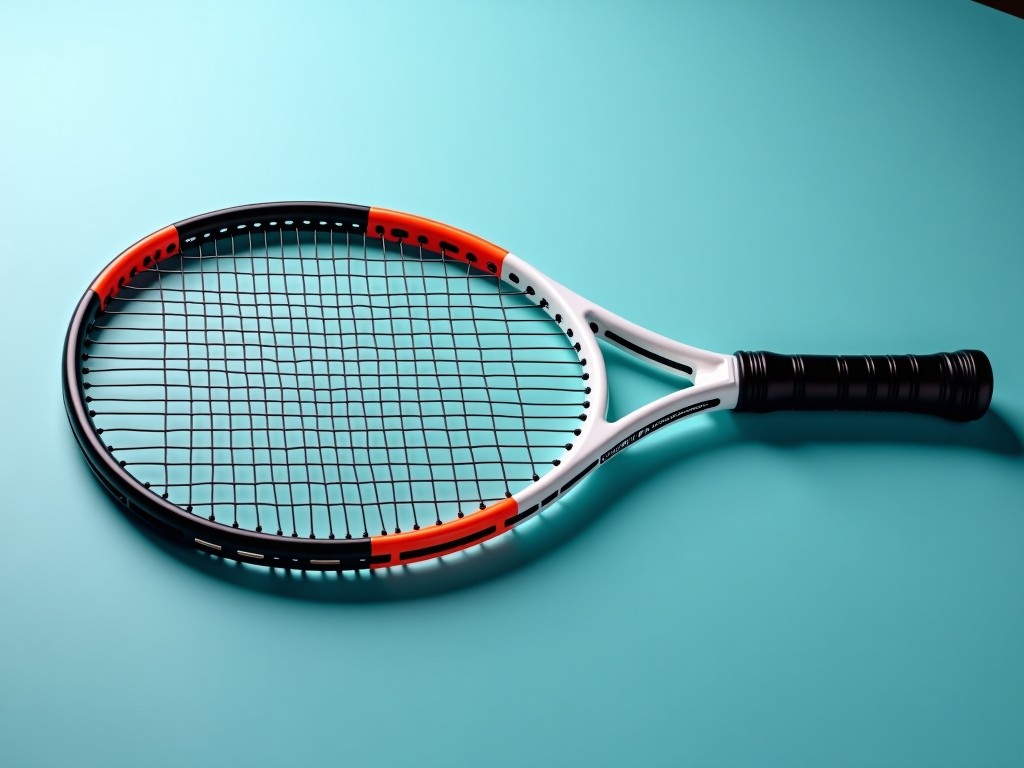
The thickness of the overgrip also presents a technical trade-off. A 0.5mm grip allows for a more precise feel for players who prefer a smaller handle, whereas a 0.8mm grip provides cushioning for those with vibration sensitivity, though it requires more frequent replacement due to surface tackiness.
Customisation Options and Their Limits
Customization for wholesale kits primarily involves logo application on the overgrip or the packaging. While digital printing offers flexibility for small runs, it can sometimes compromise the porosity of the material if the ink layer is too thick.
Tooling Amortisation Note
Custom-molded or embossed-printed components require minimum order quantities (typically 5,000+ units) to amortize tooling costs. For orders below this, screen printing is more cost-effective.
Color consistency is limited by the dye-batch of the polymer. Matching a specific Pantone shade across both base grips and overgrips is rarely possible due to the different absorption rates of foam versus thin PU surfaces.
What Gets Checked Before Shipment
Quality control at the factory level involves dimensional checks to ensure every roll of overgrip meets the thickness tolerance. This prevents variations in the final racquet weight calculation for the end-user.
| Test Method | Metric |
|---|---|
| Tack Test | Friction coefficient at standardized humidity load |
| Weight Variance | ± 2 grams per roll |
| Abrasion Resistance | Cycles before surface thinning |
Need a specific material specification for your retail line?
Review technical specifications and lead times

