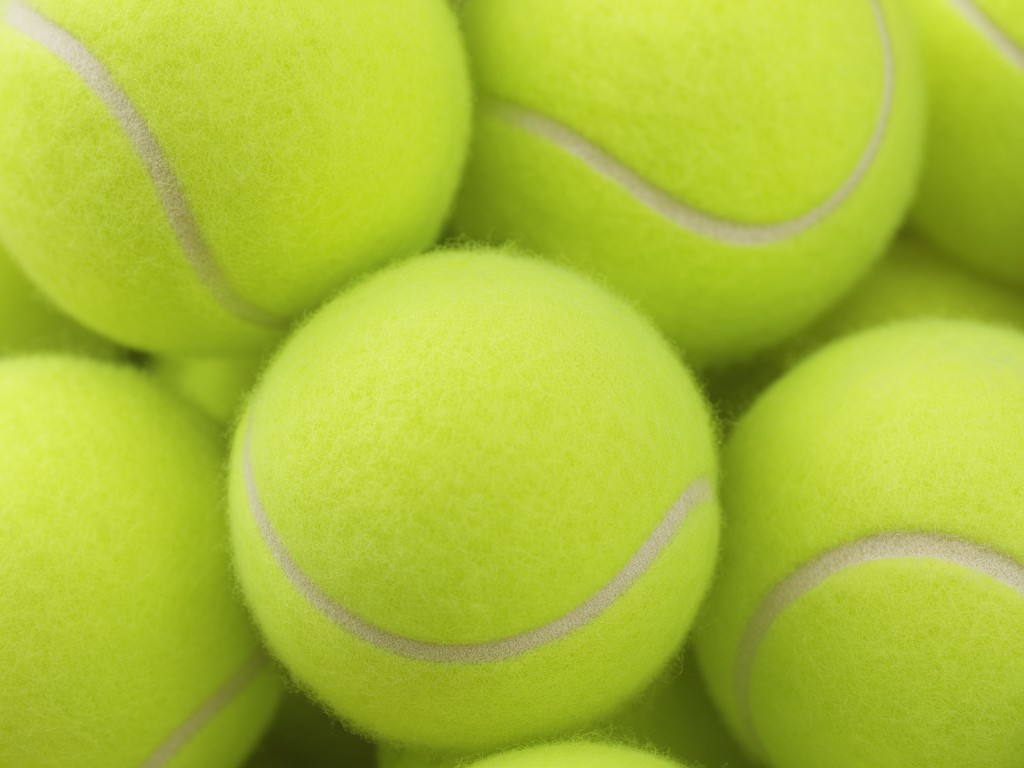
Specifying bulk tennis balls for walkers supplier for Wholesale and OEM Orders
When a brand extends an existing range of mobility equipment, the technical requirements shift from visual aesthetics to mechanical consistency. Tennis balls designed for walkers serve as the primary interface between the user and the flooring. Unlike sports-grade balls where rebound height is prioritized, these units must prioritize low-friction movement and abrasion resistance to prevent failure during high-activity therapy sessions.
What This Product Is and Where It Fits
These components are typically mounted to the base of rollators, wheelchairs, and specialized rehabilitation frames. The market includes medical supply centers, physical therapy distributors, and home care equipment manufacturers. The product requires a consistent friction coefficient to ensure the walker moves smoothly across varied surfaces like hardwood, linoleum, or carpet.
Primary Application Focus
Focus on indoor mobility stability, geriatric-care mobility aids, and clinical-grade rehabilitation equipment.
What the Design Has to Balance
Moving from sample orders to container loads reveals that minor variations in the rubber core's vulcanization process can significantly impact the long-term "feel" of the walker. A high-pressure core provides better bounce but fails faster under the constant weight-bearing of a walker frame. Conversely, a lower-density core maintains its shape longer but may offer inconsistent resistance that frustrates the elderly user.
The felt selection must also balance density with durability. High-pile wool-blend felt offers better grip but sheds quickly under the lateral friction of walker legs. A shorter, high-density nylon felt maintains its structural integrity over hundreds of cycles of floor-based abrasions.
Specification Range and Customisation Limits
During a private-label launch with a fixed ship date, procurement officers must define the acceptable compression range. Standard tennis balls often fluctuate in internal pressure, but walker-specific variants require a tighter tolerance to prevent the ball from rolling away unpredictably after impact.
| Parameter | Standard Range | Technical Impact |
|---|---|---|
| Core Diameter | 65.0mm - 68.5mm | Ensures fit on standard mounting sockets |
| Weight Tolerance | 57g ± 2g | Uniform weight distribution across the walker frame |
| Compression Force | 22 - 25 N | Determines rate of deformation under static load |
| Felt Material | Nylon/Polyester Mix | Controls shedding and floor-marking potential |
Assumptions Buyers Should Stop Making
Buyers often assume that standard competition-grade balls suffice for therapy applications. However, the high-density felt on professional balls often sheds quickly when subjected to the lateral friction of walker legs. This leads to debris buildup on facility floors and premature replacement of the product.
Another common misconception is that UV resistance is only for outdoor gear. For walkers used in hospitals with large windows, non-stabilized rubber in the ball core can become brittle, leading to cracking and structural failure of the ball within six months of exposure.
Inspection Items and Test Methods
To ensure batch consistency, the factory employs specific testing protocols before shipping. We utilize rebound testing to ensure the core maintains a consistent drop height, which directly correlates to the ball's resilience under weight.
- Weight verification of 5% of every batch to maintain the ± 2g tolerance.
- Abrasion resistance testing to measure felt loss against standardized concrete surfaces.
- Static load testing to monitor core deformation after 48 hours of compression.
Keeping Repeat Orders Supplied
Reliability in bulk supply depends on the manufacturer's ability to prevent material drift between different production runs. We maintain batch traceability for all vulcanization compounds, ensuring that an order placed in July matches the performance characteristics of an order from the previous year. Technical specification review allows buyers to align these tolerances with their specific hardware requirements.
Export Packaging and Handling Protection
Bulk orders are packed in moisture-barrier polyethylene liners to prevent the rubber core from absorbing humidity during sea transit. Humidity absorption can lead to changes in weight and a shift in the rebound rate. We utilize reinforced corrugated cartons to prevent crushing or deformation of the balls at the bottom of the pallet.


