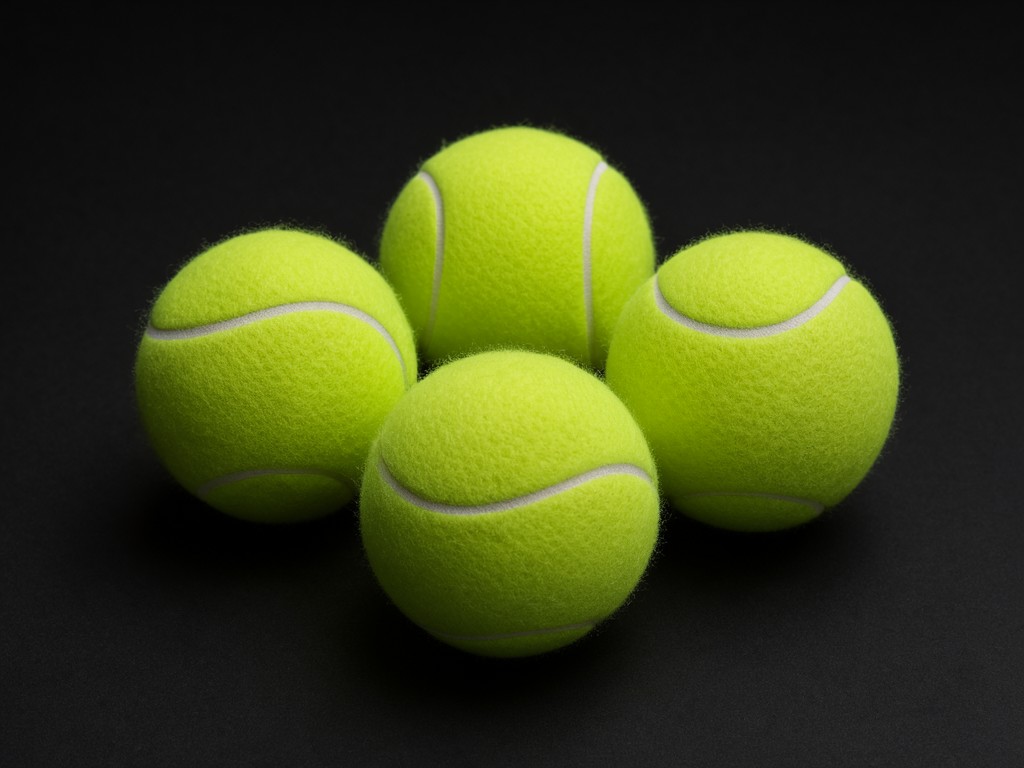
china waterproof tennis balls factory - Bulk Supply and Specification Guide
Critical Technical Trade-off: Rebound vs. Moisture Resistance
Standard felt-covered balls absorb water, leading to increased weight and inconsistent bounce during during wet play. Waterproof training variants utilize high-density synthetic felt or treated non-felt polymers to maintain a constant mass (within 2g of nominal) in saturated conditions, though this often reduces the "thud" sound and tactile feedback compared to premium dry-grade natural felt.Scope of Supply and Physical Form
Construction options diverge as soon as weight matters. For training-grade equipment, the choice between pressure-less and pressurized internal chambers determines the life cycle of the ball for academies. Pressure-less models utilize a solid-core synthetic rubber construction, which eliminates the risk of seam failure due to air loss or temperature fluctuations. This construction ensures the ball maintains its aerodynamic flight trajectory over months of repetitive drills, though it results in a slightly lower coefficient of restitution than professional-grade pressurized balls.
The manufacturing process involves a multi-stage injection molding technique. First, the rubber core is formed in high-pressure molds to ensure uniform density. Then, the outer layer is applied via thermal bonding. For waterproof specifications, the outer surface is treated with a hydrophobic coating that prevents water molecules from penetrating the fiber matrix, thereby stopping the ball from becoming heavy during rain-soaked use.
Specification Range and Customisation Limits
| Parameter | Standard Range | Tolerance |
|---|---|---|
| Unit Weight | 57g - 59g | ±2g |
| Diameter | 65.5mm - 68.5mm | ±1.5mm |
| Rebound Height | 135cm - 145cm | ±5% |
| Material Composition | Synthetic Rubber / Polymer Felt | N/A |
How to Choose Before Requesting a Quote
Cost and durability pull in opposite directions once environmental exposure is considered. Buyers must determine if the balls are intended for indoor courts or heavy outdoor use. A high-UV-stabilized rubber core prevents the ball from cracking under direct sunlight, a common failure mode in lower-grade waterproof variants. When evaluating a quote, verify if the factory uses UV inhibitors in the rubber compound, as this dictates whether the ball will become brittle after one season of exposure.
Request technical data sheets that confirm the specific hardness rating of the synthetic core used.
Assumptions Buyers Should Stop Making
Many procurement officers assume all waterproof balls are identical in performance. In reality, the waterproof property often refers to the felt treatment rather than the internal chamber. If the internal seam is not properly sealed, the ball will lose its structural integrity regardless of the outer coating. Furthermore, pressure-less waterproof balls do not require pressurized canisters, whereas pressurized versions require specific air-tight packaging to maintain their bounce long-term.
Customisation Options and Their Limits
Where chlorine, sweat or UV exposure is routine, the durability of the branding application is vital. Factories offer silk-screen printing or heat-transfer decals for logo placement. However, high-friction synthetic felt can cause ink abrasion if the pigment is not properly cured for the specific polymer surface.
- Felt color customization allows for Pantone matching for club-specific aesthetic requirements.
- Logo placement limited to 1-2 colors to ensure consistent adhesion on synthetic fibers.
- Custom bulk packaging (mesh bags or cardboard tubes) is available for retail-ready distribution.
OEM and ODM Programme Structure
The production workflow begins with a specification approval phase where weight and rebound tolerances are frozen. Once the technical team signs off, the factory produces a pre-production sample for physical testing. This step ensures that the mass production run matches the performance benchmarks required for private-label contracts.
For ODM services, the factory provides existing core designs, while the buyer selects the surface material and branding. OEM projects involve bespoke tooling for tailored injection injection molds if a specific ball diameter or surface texture is required for specialized training programs.


