custom personalized tennis rackets manufacturer - Bulk Supply and Specification Guide
Scope of Supply and Physical Form
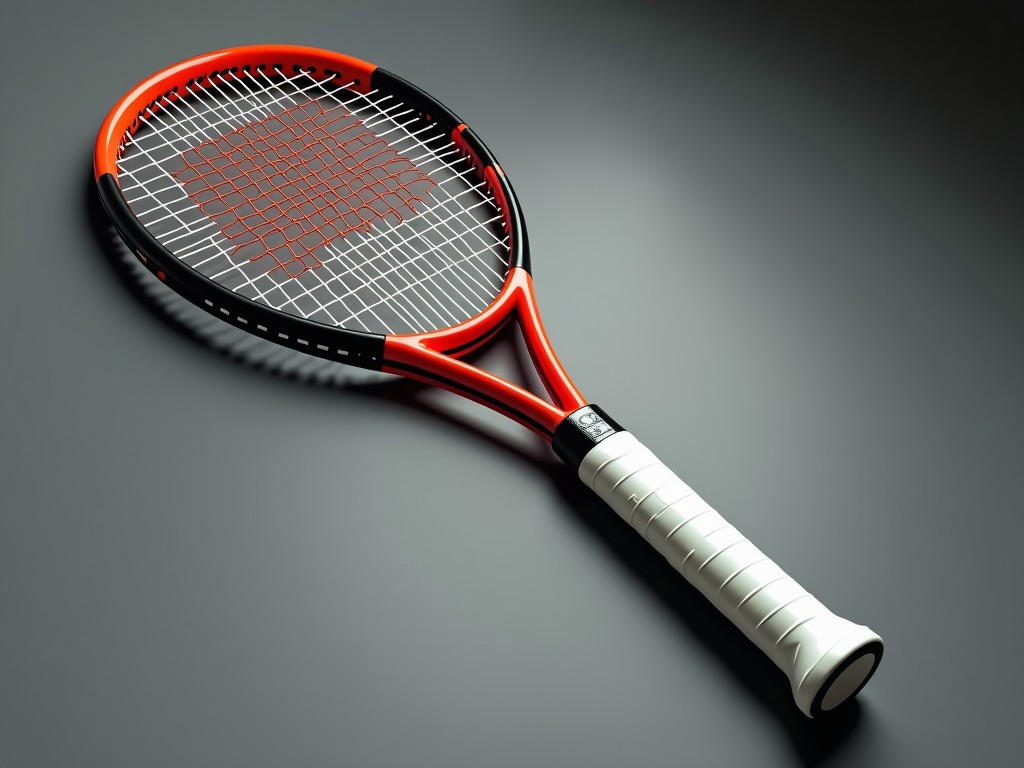
Moving from sample orders to container loads changes the priority from prototype aesthetics to structural uniformity across thousands of units. We provide frames in head sizes ranging from 98 to 115 square inches with beam widths varying between 21mm and 26mm. Each geometry determines the aerodynamic drag and the spot-hit area.
Frame Geometries
Available in mid-plus, oval, and tapered profiles to accommodate different swing-weight requirements.
Weight Tolerances
Standard deviation is maintained within +/- 2 grams across the production batch to ensure consistent feel for academy players.
Customization Options
Internal-layer printing and external heat-transfer allow for branding without adding significant mass.
Where Cheaper Alternatives Fall Short
When a brand extends an existing range, maintaining weight tolerances across batches is where cheaper manufacturers often fail. Low-cost production often utilizes inconsistent-modulus carbon that leads to swing weight drift between production runs. This drift results in high return rates when players find the new batch feels heavier or less balanced than the previous order.
What the Design Has to Balance
On a club programme that reorders twice a season, frame fatigue resistance is the primary cost metric. Designers must balance the RA stiffness rating against vibration dampening to prevent cracking at the throat. A higher RA rating increases power but increases the risk of structural failure during high-impact play.
Materials and Construction Trade-offs
High-modulus carbon fiber increases the stiffness-to-weight ratio but raises material costs per unit. Standard-modulus layups offer a more forgiving feel but require thicker walls to achieve the same stability. We offer various layup configurations from 30K to 60K to match specific price points and performance requirements.
Construction Method and Its Effect on Consistency
Pre-preg bladder molding ensures the resin-to-fiber ratio remains constant throughout the frame. This process eliminates air pockets found in wet-layup methods. Precise curing cycles control the internal stresses of the graphite, preventing post-production warping.
Measured Performance in Real Use
Consistent string tension retention at 55kg requires a stable frame structure. Our frames maintain 95% of initial tension after 48 hours of heavy play. This stability ensures the racket remains predictable for the user.
Volume Planning and Lead Time
Container orders of 500 units typically require a 12-to-16 week lead time. This includes material sourcing for specific carbon grades and custom paint applications. Smaller batches may face longer timelines due to tooling setup requirements.
Stock Availability and Reorder Planning
Batch traceability guarantees that reorders match the specifications of the previous shipment. We archive layup data for every production run to ensure weight and balance remain identical. This reduces the risk of inventory mismatch in the retail environment.
| Head Size | Weight Range (g) | Beam Width (mm) |
|---|---|---|
| 98 sq in | 300-315 | 23 |
| 100 sq in | 285-300 | 24 |
| 105 sq in | 270-290 | 26 |
| 110 sq in | 260-280 | 28 |
Discuss your production requirements with our engineering team.
Request a technical consultation and volume quote

