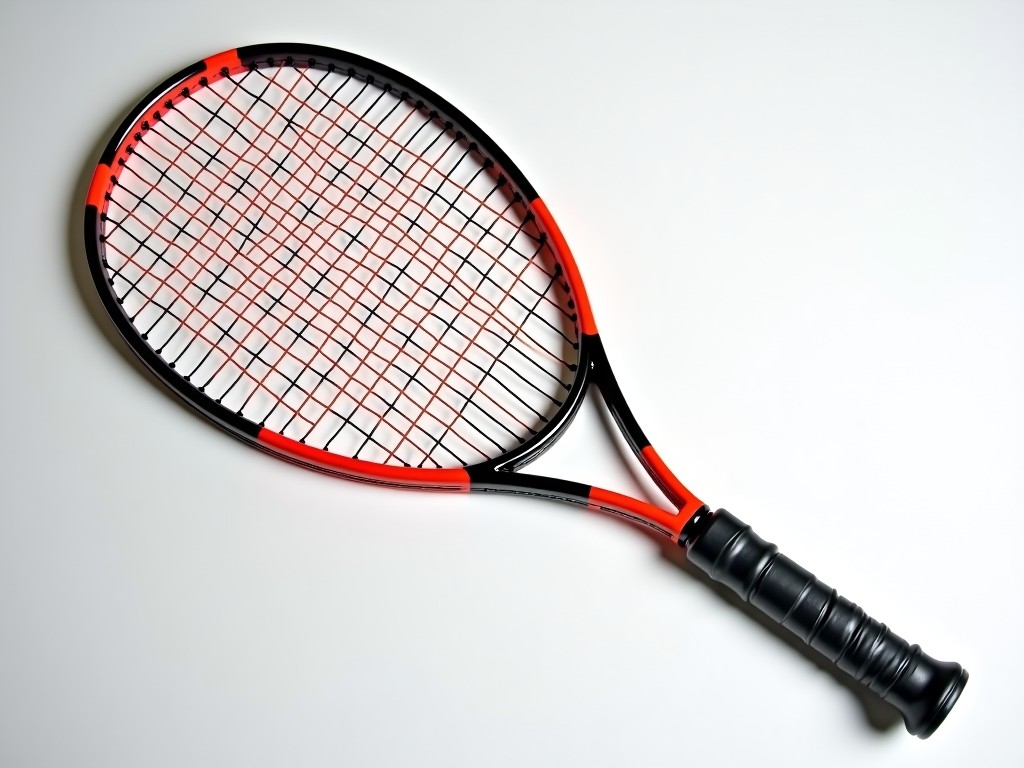
direct factory two handed tennis racket supplier: What Buyers Should Check Before Ordering
Consistency is set at the forming stage when sourcing a manufacturing partner for high-performance equipment. For procurement officers and academy owners, the primary risk is not the initial sample quality, but the variance in structural integrity across large production runs. A racket designed for two-handed backhands requires specific torsional stability to handle the high torque generated during off-center impacts. If the factory lacks precise control over the carbon fiber layup, the resulting frames will exhibit inconsistent stiffness-ratings, leading to high return rates from dissatisfied players.
The Problem Buyers Keep Paying For
Retail buyers often struggle with weight drift and balance point shifts in bulk orders. When the balance point fluctuates by more than 5 grams between batches, the swing weight changes significantly, altering the muscle memory of the end user. This inconsistency often stems from improper vacuum-bagging during the prepreg molding process, where resin distribution becomes uneven. Furthermore, delamination at the throat is a common failure mode in factories that fail to use sufficient high-modulus carbon fibers in high-stress zones.
Critical Risk Factors
- Weight variance exceeding a +/- 3g tolerance across the shipment.
- Inconsistent RA rating (stiffness) affecting the power-to-control ratio.
- Grommet displacement or failure under high-tension strings (above 55kg).
- Torsional instability that causes frame twisting on high-velocity off-center hits.
Design Constraints Behind the Specification
Process choice shows up later as the final performance of the frame. To support a two-handed stroke, the frame geometry must incorporate a reinforced throat section to prevent collapse under heavy back-loading. We utilize a specific layup of high-modulus graphite to maintain frame rigidity without adding excessive weight. The beam width also dictates the sweet spot size and the aerodynamic drag; a wider beam provides more stability but increases air resistance during the swing phase.
Material Modulus
We employ 24T and 39K carbon fiber layers to ensure the frame handles the impact forces of modern two-handed play.
Resin System
Aerospace-grade epoxy resins prevent internal voids which are the primary cause of long-term delamination.
Finish Durability
Multi-layer UV-resistant coatings prevent paint cracking and peeling when exposed to outdoor court conditions.
How It Performs in Use
The build method decides how the racket responds to ball-string collision. A stiffer frame provides more energy return but requires precise timing from the player to avoid loss of control. For many two-handed players, a slightly head-heavy balance can help provide the necessary mass for deep backhand drives. Our internal manufacturing process ensures that the rebound velocity of the frame remains consistent over hundreds of hours of high-intensity play.
Requirements by Buyer Segment
Academy purchasing managers prioritize durability and impact resistance, as equipment faces frequent use by multiple students. In contrast, retail buyers focus on aesthetic finishes and specific weight distributions that appeal to premium market segments. We adjust the layup density to meet these varying needs without compromising the core structural integrity of the graphite-sleeve design.
OEM and ODM Programme Structure
| Feature | Customization Options |
|---|---|
| Layup Pattern | Custom carbon-fiber orientation for specific stiffness-profiles. |
| Surface Treatment | Matte, gloss, or metallic-transfer paint finishes. |
| Hardware | Customized grommets, vibration dampeners, and grip materials. |
Quality Control and Batch Consistency
Reliability is maintained through rigorous dimensional checks checks post-curing. Each batch undergoes a tension test to ensure the frame can withstand standard stringing without deformation. We also perform weight analysis to ensure the head-weight and balance point remain within the specified tolerances. This prevents the "dead frame" feeling often found in lower-tier manufacturing.
| Parameter | Standard Range |
|---|---|
| Total Weight | 280g - 315g (unstrung) |
| Head Size | 98 sq in - 105 sq in |
| Stiffness (RA) | 60 - 70 RA |
| Balance Point | 315mm - 340mm |
Ready to review technical specifications for your production run?
Request a technical review and quotation

