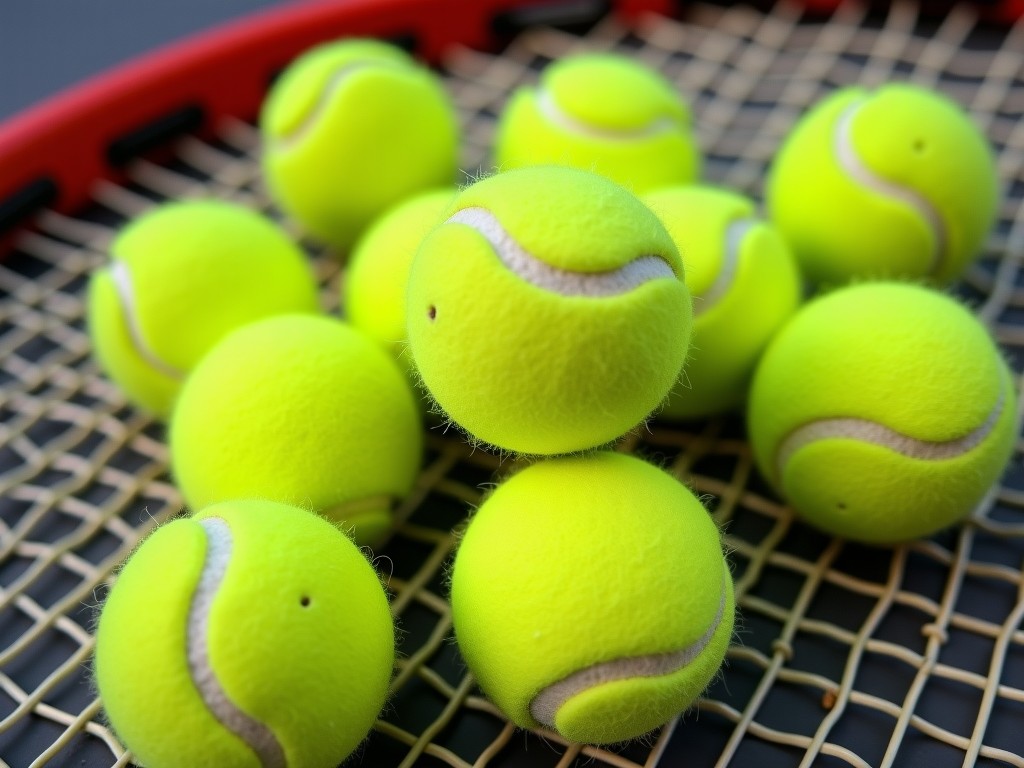
wholesale repressurise rubber tennis balls factory: Specification, Ordering and Quality Notes
Cheaper stock options fail at the worst point in the season. Replacement rate, not unit price, dictates the actual margin for academies and high-volume distributors. Total cost of ownership shifts once returns are counted, particularly when balls lose internal pressure after only two hours of heavy play.
Repressurization involves taking de-pressurized rubber cores and subjecting them to specific atmospheric pressure levels within a controlled chamber. This process allows wholesale buyers to access professional-grade performance at a lower entry point than new-press balls, provided the initial rubber core maintains its structural integrity during the de-pressurization-pressurization cycle.
What This Product Is and Where It Fits
This service targets private-label sports brands and large club networks that require high-turnover inventory. Instead of purchasing new-pressurized balls for every tournament, these entities utilize repressurized batches to maintain consistent bounce heights for training sessions and recreational league play.
Procurement Note
Ensure the factory specifies the number of repressurization cycles. Exceeding three cycles often causes micro-fatigue in the rubber, resulting in unpredictable rebound coefficient (COR) variances.
What Actually Determines Performance
Internal pressure remains the primary driver of ball velocity and flight consistency. If the PSI fluctuates by more than 2.0 across a batch, players report a "heavy" or "dead" feel, which leads to high rejection rates from competitive academy managers.
Material Options and Their Trade-offs
Material selection determines the ball's durability against specific court surfaces. Wool-blend felt offers superior grip on clay courts but suffers from faster abrasion on hard courts compared to synthetic nylon-heavy variants.
- 75% Wool-blend felt provides professional-level feedback but increases unit cost by approximately 20%.
- Nylon-core felt maintains structural integrity longer on abrasive surfaces but shows more pilling after 5 hours of use.
- Standardized rubber cores offer consistent rebound memory but require precise temperature control during storage to prevent warping.
Comparing Two Standard Configurations
Standard wholesale orders usually fall between the training-grade and tournament-grade specifications. The choice depends on the intended service life per ball for the end-user.
| Parameter | Training Grade (Academy) | Tournament Grade (Pro) |
|---|---|---|
| Felt Composition | Nylon/Wool Mix | High-Wool Content |
| Pressure Range (PSI) | 11-12 PSI | 13-14 PSI |
| Expected Cycle Life | 4-6 Hours | 2-3 Hours |
Customisation Options and Their Limits
Customization is limited to the external felt surface and pressurized canister branding. While logo printing is common, high-heat inks can occasionally compromise the felt's elasticity if not cured correctly post-application.
Color-matching for brand-specific palettes is achieved through dyed felt batches, but neon-variants often show faster UV-induced fading due to the chemical composition of the dyes.
Requirements by Buyer Segment
Different procurement tiers prioritize different metrics. A club manager focuses on batch-match, while a brand manager focuses on technical specification compliance.
| Segment | Primary Requirement | MOQ Impact |
|---|---|---|
| Private Academies | Pressure Consistency | Low (Standard Batches) |
| Retail Brands | Custom Branding | High (Container-specific) |
| Distributors | Freight Efficiency | Medium (Full Load) |
Volume Planning and Lead Time
Supply reliability depends on the factory's repressurization chamber capacity. Lead times typically range from 30 to 45 days for bulk orders, with custom-felt variants requiring additional 14 days for material dyeing and curing processes.
Consistency across lots is maintained by using standardized rubber core molds across different production runs. This ensures that a ball ordered in January performs identically to one ordered in July.


