wholesale womens youth tennis balls supplier: Specification, Ordering and Quality Notes
Moving from sample orders to container loads changes the focus from aesthetics to structural stability. For youth-grade equipment, the primary challenge is maintaining a consistent compression ratio across high-impact usage typical of younger players. These players often exert inconsistent force, which can lead to premature seam failure if the internal core is not properly reinforced.
A reliable supplier must address the variance between felt density and pressure retention. While a heavier felt nap increases durability against court abrasion, it also increases the ball's weight, potentially altering the flight path beyond required specifications for junior-level competitive play.
Material Options and Their Trade-offs
Selecting the right construction requires balancing the cost of materials against the service-life requirements of the target age group.
-
Identify the usage environment:
- Competitive Academy Play: Utilize pressurized cores with high-density nylon felt. This configuration ensures a consistent rebound height but requires airtight seam-sealing to prevent pressure loss over seasonal cycles.
- School/General Training: Select non-pressurized foam-core construction. These units eliminate the risk of pressure leaks entirely, though they offer a lower bounce coefficient compared to standard pressurized variants.
-
Determine the felt durability requirement:
- High-Nap (65-75 gsm) Felt: Reduces pilling and baldness on hard-court surfaces but adds 3-5 grams to the total ball weight.
- Lightweight (55-60 gsm) Felt: Provides a faster feel and lower cost-per-unit but shows significant wear after 5-7 hours of heavy play.
Measured Performance in Real Use
Critical Performance Metric: Compression
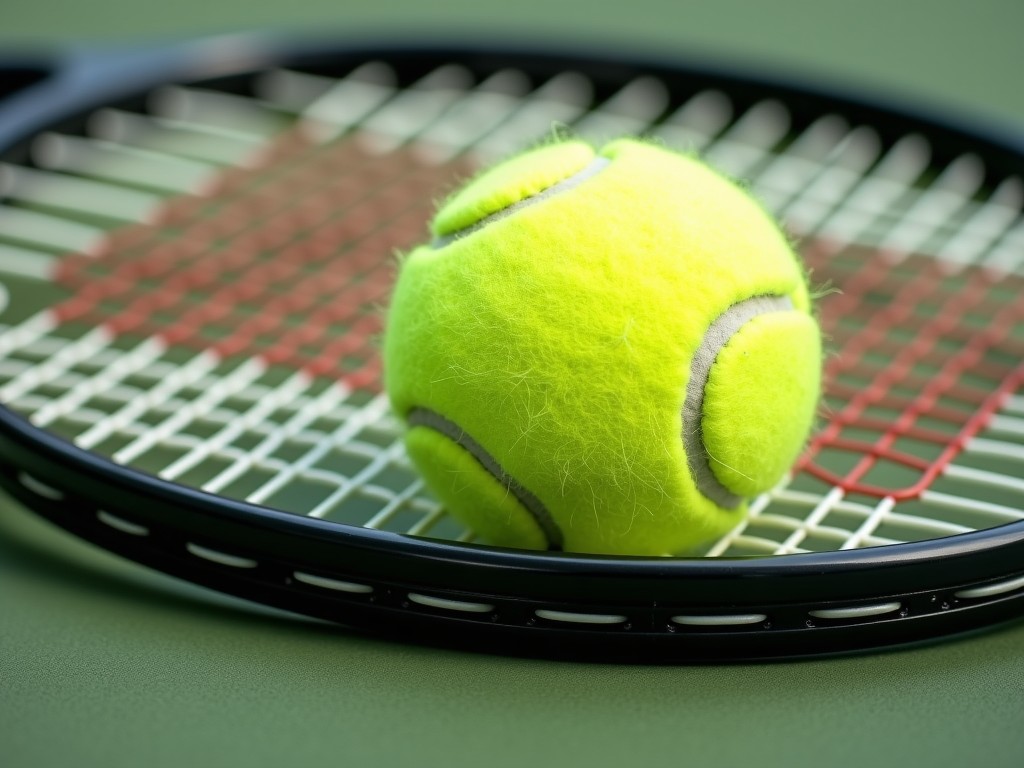
Youth-grade balls must maintain a compression test result between 50-55 Newtons when dropped from a 2.5-meter height. Deviations outside this range result in "dead" balls that hinder the development of junior players learning to recognize consistent bounce patterns.The most frequent complaint in wholesale youth orders is the rapid baldness of the felt. When the felt fibers are not properly bonded to the rubber shell, the friction of a hard court causes the surface fibers to shear away. We utilize a mechanical interlocking process during the felt-application stage to ensure the nap remains intact for the intended service life of the ball.
Customisation Options and Their Limits
Branding on youth-grade equipment is limited by the surface texture of the felt. Heavy-ink screen printing can saturate the fibers, leading to localized weight increases and uneven bounce upon impact.
- Single-Color Screen Print: Best for simple logos; the ink thickness is kept under 0.1mm to prevent felt cracking.
- Custom Felt Colors: Allows for neon or brand-specific palettes. Note that dye-loading can slightly alter the elasticity of the synthetic fibers.
- Heat-Transfer Labels: Used for high-detail graphics, but these increase the risk of delamination in high-temperature storage conditions.
How Consistency Is Held Across Batches
Consistency is managed through batch-specific testing of the rubber core. Variations in the rubber density during the vulcanization process can lead to weight drift. Our facility implements a weight-check protocol on every 5,000 units to ensure the mass remains within a +/- 3 gram tolerance of the specification.
Pressure retention is verified by monitoring the air- integrity of the seams. A multi-layer seam construction ensures that the internal gas does not escape through microscopic fissures, which is the primary cause of failure in lower-grade imports.
Packing, Marking and Freight
| Packaging Level | Configuration | Protection Method |
|---|---|---|
| Retail Unit | 3-ball pressurized tube | Recycled PET air cap |
| Inner Case | 12 cans per carton | Double-wall corrugated cardboard |
| Master Load | 48 boxes per pallet | Industrial shrink-wrap with corner |
Ordering, Tooling and Lead-Time
| Order Type | Minimum MOQ | Standard Lead Time |
|---|---|---|
| Sample Evaluation | 100 units | 10-14 days |
| Standard Production | 2,000 units | 30-45 days |
| Custom Tooling | 5,000+ units | 60-75 days |
Frequently Asked Questions
How does temperature affect ball pressure during shipping?
Extreme heat can cause internal gas to expand, stressing the seams. We recommend climate-controlled transit for ocean freight to maintain the specified internal pressure levels.
Can the felt color be dyed for specific branding?
Yes, we offer custom-dyed felt, though this adds an additional 14 days to the tooling and curing process.
Request a technical specification review and bulk quotation.


